Consequences of Selling Fake Bags: Understanding the Risks.
Consequences of Selling Fake Bags: Understanding the Risks.,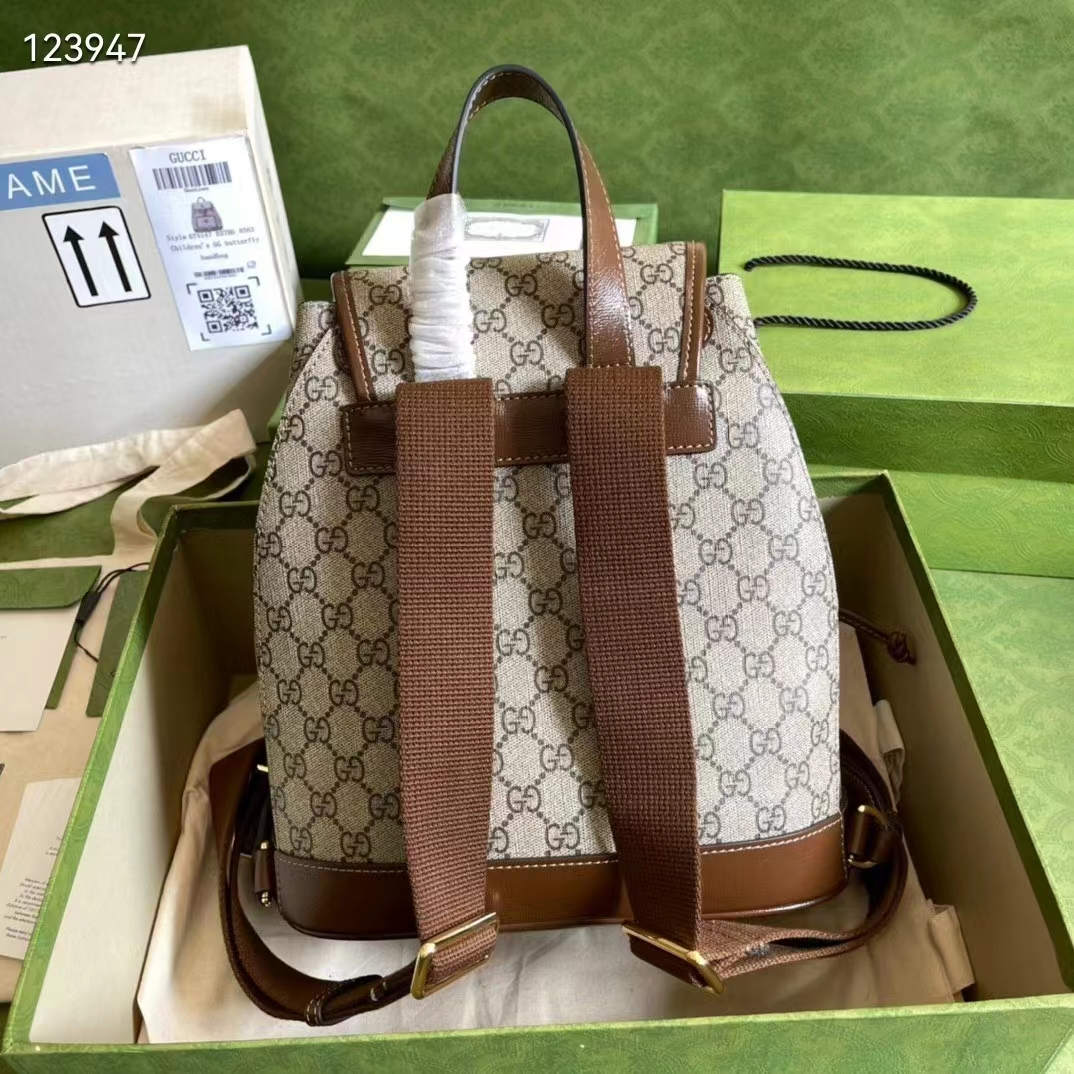
The Consequences of Selling Fake Bags
In the contemporary retail landscape, selling fake or counterfeit bags is an increasingly prevalent practice that has serious repercussions for all parties involved.
First, on the legal level, selling fake bags constitutes intellectual property infringement and violates copyright laws. This can lead to serious legal consequences for the seller. Retailers and manufacturers face financial penalties, which could result in substantial fines, and in extreme cases, they could even face criminal charges. Additionally, their business reputation is often tarnished due to the association with illegal activities.
Impact on Consumers and the Industry
Moreover, selling fake bags has a profound impact on consumers and the retail industry as a whole. Consumers who purchase these products are often deceived about the quality and origin of the goods they are buying. Fake bags often lack the same quality control and materials as genuine products, leading to dissatisfaction and potential harm.
Furthermore, the sale of counterfeit bags poses a significant threat to legitimate businesses and brands. It disrupts the market, as fake products drive down prices and erode brand values. This not only affects the financial stability of legitimate businesses but also undermines the hard work and investment put into creating unique designs and quality products.
Social and Ethical Considerations
Beyond legal and financial implications, there are also social and ethical considerations. Selling fake bags often involves exploiting low-wage workers in poor conditions or supporting illegal activities like child labor or drug trafficking. The unethical practices associated with counterfeiting have a negative impact on society as a whole.
Moreover, consumers who choose to buy fake bags may also be contributing to these unethical practices without realizing it. By supporting the sale of counterfeit goods, they may be indirectly supporting criminal activities and poor labor conditions. In addition, they may miss out on the opportunities provided by genuine brands, such as quality craftsmanship, sustainable production practices, and brand commitments to social causes.
Conclusion
In conclusion, selling fake bags has numerous consequences that extend beyond the legal and financial realm to social and ethical implications. Retailers need to be vigilant in ensuring that their products are genuine and sourced ethically. Consumers should also be aware of the risks associated with buying counterfeit goods and choose to support legitimate businesses that prioritize quality, sustainability, and ethical practices.