Is the Average Person Prone to Fake Luxury?
Is the Average Person Prone to Fake Luxury?,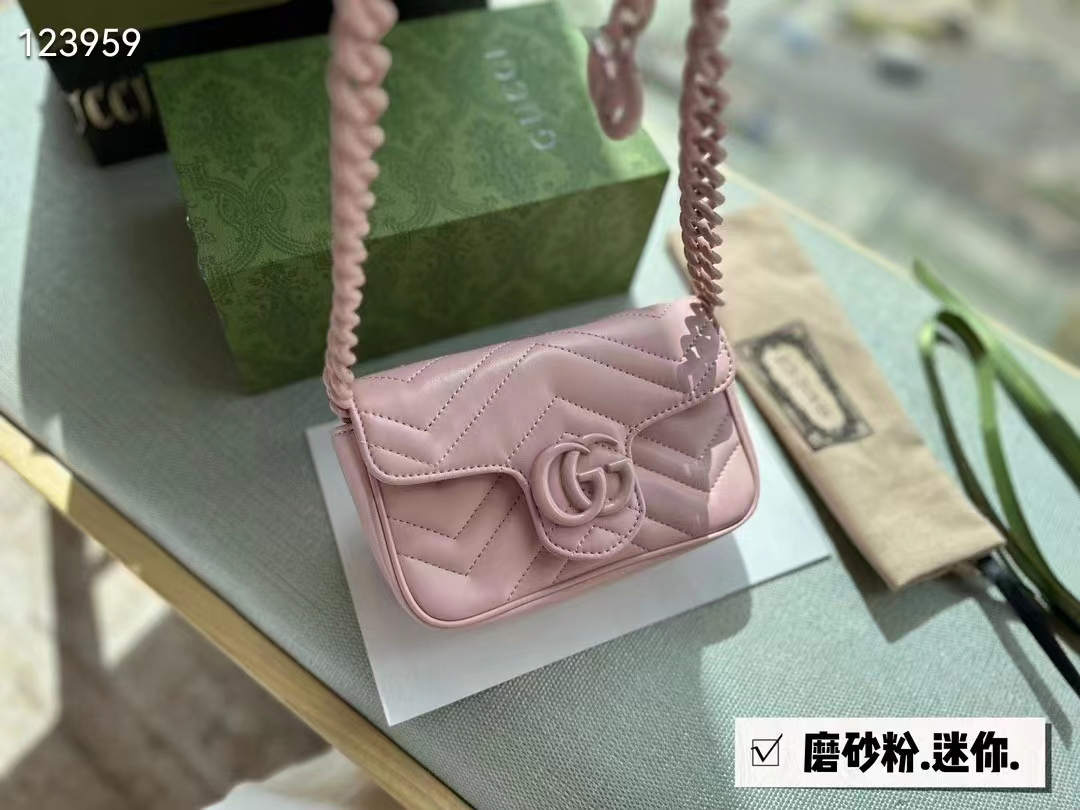
The Phenomenon of Luxuries Imitations: A General Trend?
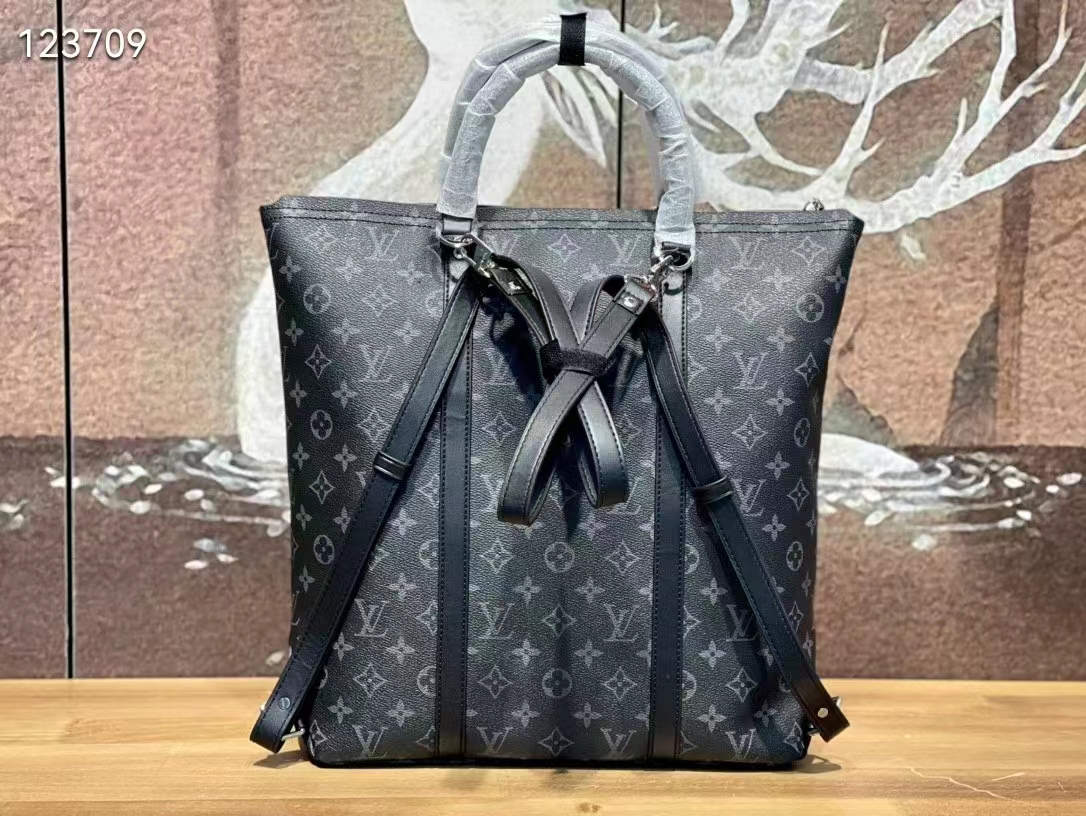
In today's world, the trend of imitating luxury goods has become a widespread phenomenon, transcending mere fashion or style choices and taking a profound hold on many individuals' desires and behaviors. Whether it be in clothing, jewelry, automobiles, or other high-end consumer goods, the phenomenon of 'mass-market luxury imitation' reflects a cultural zeitgeist that seeks to emulate the luxurious lifestyle of others. The question is whether this imitation trend applies generally to everyone.
For the average consumer, the allure of luxury brands often lies in their perceived status and quality associated with them. However, for many who cannot afford these premium brands, opting for imitation goods seems to be a viable alternative. These imitations offer a chance to wear or own something that mimics the appearance and style of a luxury brand without breaking the bank. Social media and online platforms have further fueled this trend by showcasing affordable yet stylish alternatives to high-end products.
Nevertheless, it's important to recognize that the desire to imitate luxury brands isn't limited to economic reasons. It reflects a deeper psychological need for status, recognition, and a sense of belonging within a certain social group or community. Some people find fulfillment in aspiring to certain lifestyles and status symbols that they perceive as signs of success or quality living even if they cannot afford them. This psychological drive often manifests in buying imitation luxury goods as a way to feel more affluent or part of a privileged group without actually having to invest in expensive original products.
However, this imitation trend does not necessarily mean that everyone is blindly following the pursuit of luxury imitations. Many consumers are aware that they are buying imitations and are doing so for practical reasons such as affordability or personal preference. They appreciate the design and style of luxury brands but are not necessarily seeking to emulate the lifestyles associated with them. For these individuals, imitated luxury goods are merely a part of their personal style choice without any deeper psychological motivations.
In conclusion, while the trend of imitating luxury goods has indeed gained significant popularity, it does not necessarily apply to everyone. There are various motivations behind this phenomenon ranging from economic affordability to psychological desires for status and recognition. However, it's important to recognize that everyone's choices are unique and may not necessarily reflect a desire to imitate others but rather personal preferences and style choices.
以上内容围绕一般人是否都是仿奢侈品这一主题展开,探讨了奢侈品仿制品背后的多种动机,包括经济因素和心理因素等,同时也指出了每个人的选择都是独特的,并不一定是模仿他人。希望对你有所帮助。