How to Identify Luxury Fake Goods and Original Orders: A Guide to Spotting the Difference.
How to Identify Luxury Fake Goods and Original Orders: A Guide to Spotting the Difference.,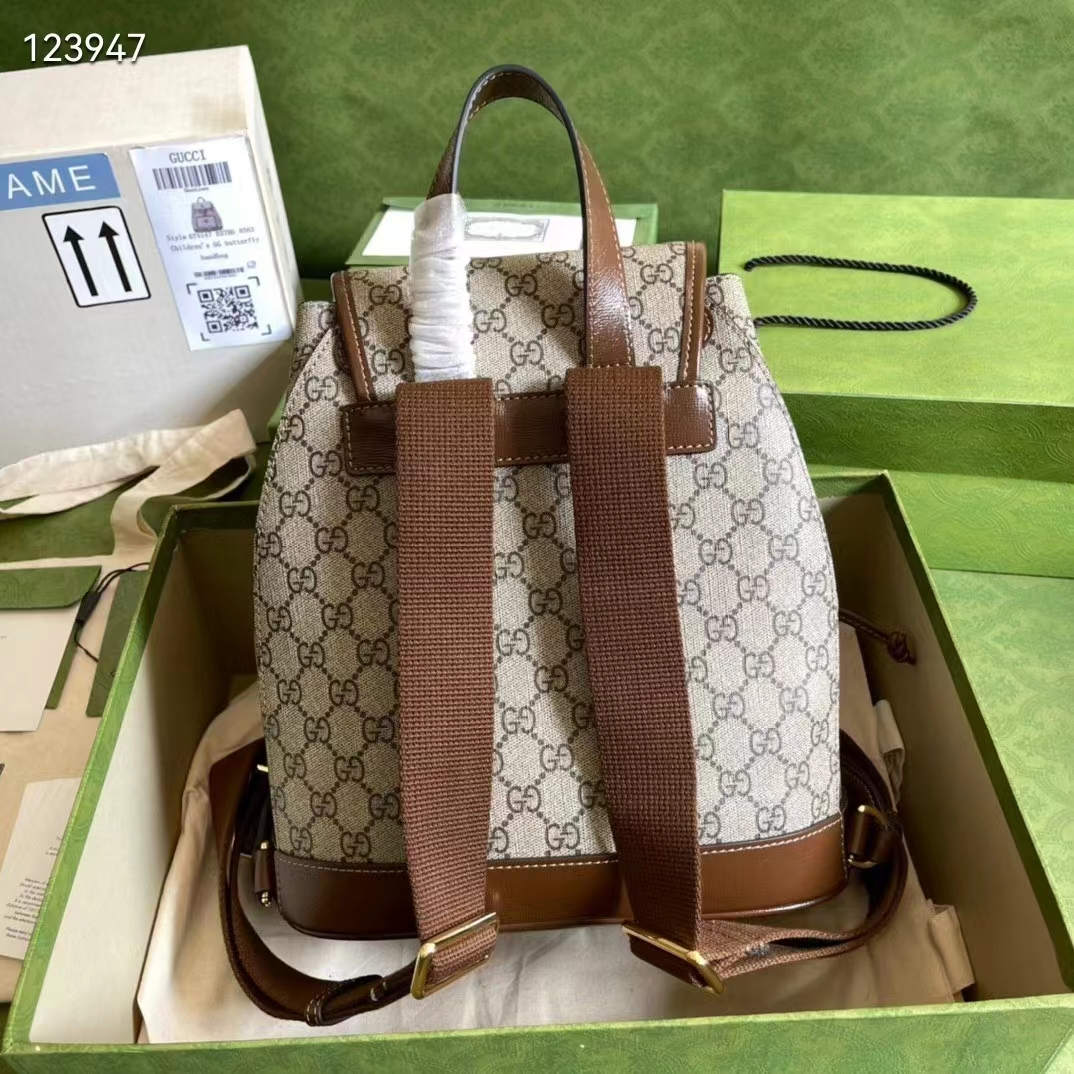
How to Identify Luxury Fake Goods from Original Orders
Introduction
In the world of high-end fashion and luxury goods, the proliferation of counterfeit and imitation products has become a significant issue. Especially with the rise of online shopping, it has become increasingly challenging to distinguish genuine luxury goods from fakes. One common type of fake luxury goods are those labeled as "original orders," often offering significant discounts to attract buyers. Here, we explore ways to identify such products.
Checking for Authenticity
When it comes to identifying luxury fake goods from original orders, there are several key areas to consider:
1. Quality and Craftsmanship: Genuine luxury goods are typically known for their impeccable quality and fine craftsmanship. Close examination of the material, stitching, and overall finish can often reveal discrepancies. Fakes often have inferior quality materials and visible flaws in workmanship.
2. Logos and Branding: Pay attention to the placement of logos and branding details. Genuine products usually have precise branding with consistent font styles and patterns. Fakes often have inaccurate or distorted branding elements.
3. Packaging and Accessories: Luxury brands often use specific packaging and high-quality accessories. Inspecting these elements can help in identifying fakes. Genuine products will have authentic packaging with specific branding and details.
4. Serial Numbers and Authentication Codes: Many luxury brands provide unique serial numbers or authentication codes on their products or packaging. Checking these against official records can confirm the authenticity of the product.
5. Price: While price is not always an indicator of authenticity, significant discounts on "original orders" may be a red flag. Genuine luxury goods typically do not offer such steep discounts unless they are part of a legitimate sale.
Additional Tips
To further enhance your ability to identify fakes, consider the following:
1. Seek Expert Advice: If you are still uncertain about the authenticity of a product, seek advice from experts or consult reliable online forums.
2. Be cautious of "too good to be true" deals: Be vigilant against overly attractive discounts, as these may often be associated with fake products.
3. Use Trusted Retailers: Shopping from authorized retailers or official websites minimizes the risk of purchasing fakes.
In conclusion, identifying luxury fake goods from original orders requires a combination of careful examination, knowledge of brand standards, and vigilance against unrealistic discounts or claims. Understanding the characteristics of genuine products and staying updated with brand information are essential in avoiding counterfeit purchases.