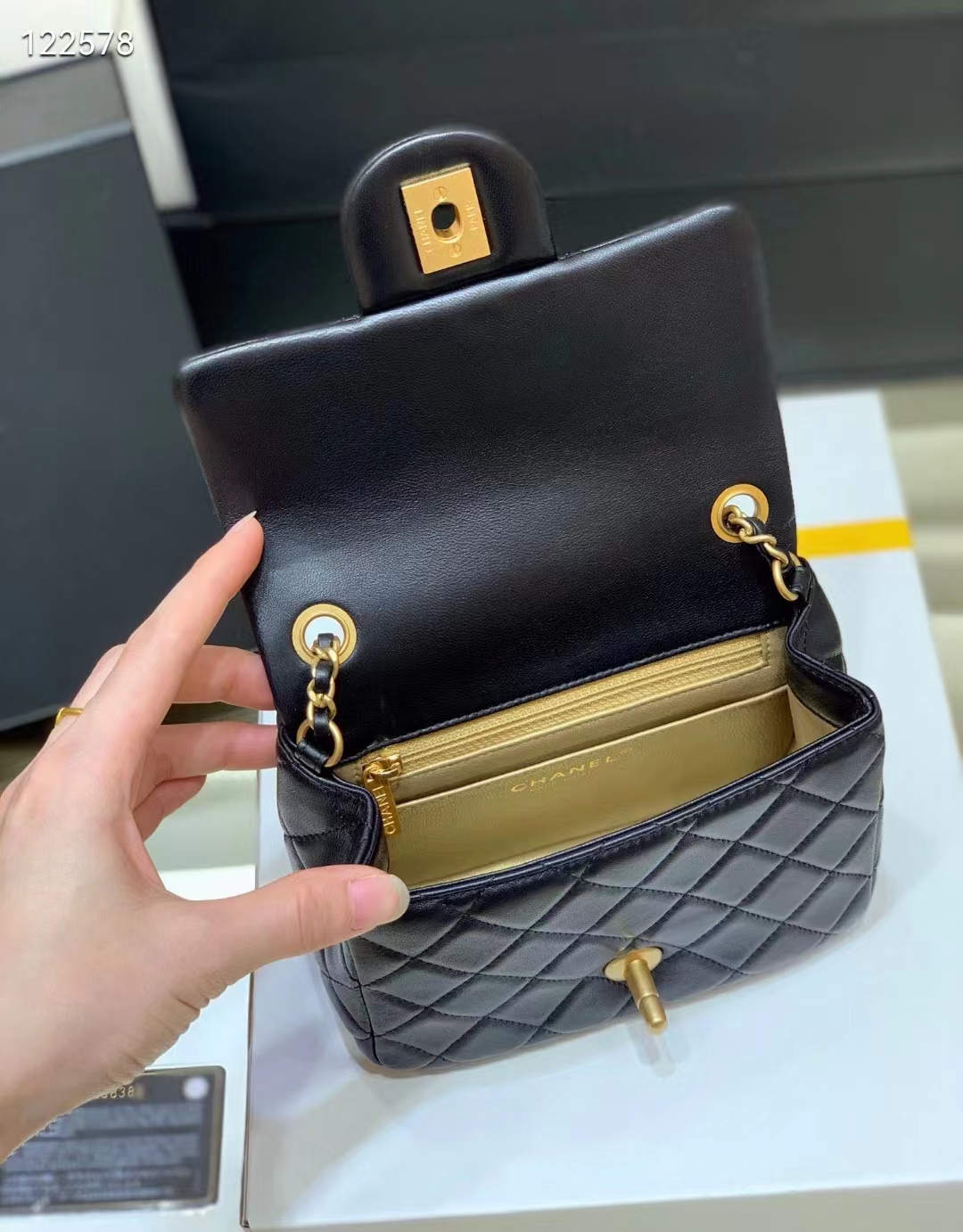
How to Distinguish Authentic Luxury Goods from Fakes: A Guide to Quality Check.
How to Distinguish Authentic Luxury Goods from Fakes: A Guide to Quality Check.,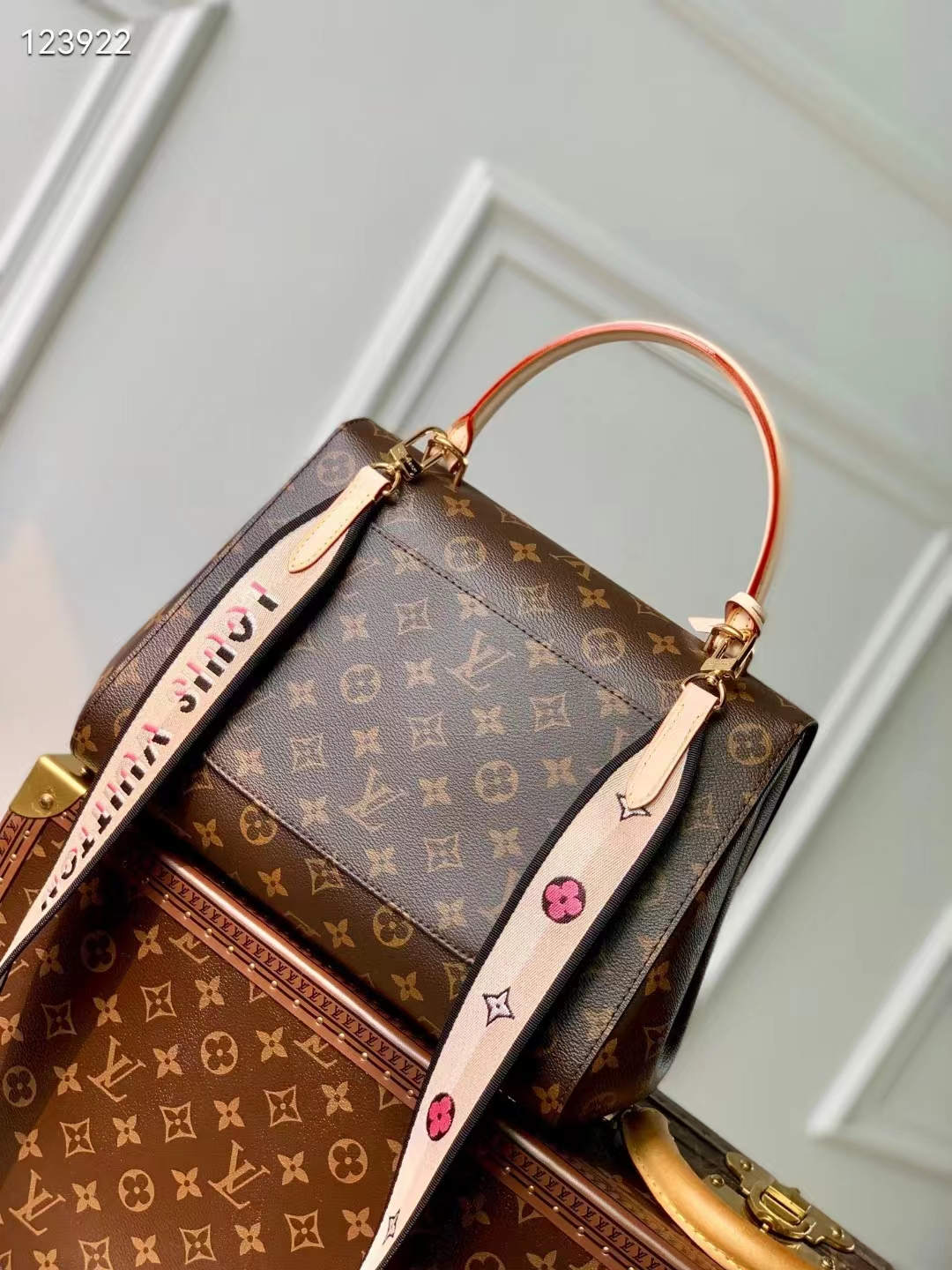
Distinguishing Luxury Goods from Replicas
Shopping for luxury items can be a rewarding experience, but it’s crucial to distinguish between genuine luxury goods and their counterfeit counterparts. High-end fashion and accessories often come with hefty price tags, and therefore attract significant attention from individuals looking for affordable alternatives in the form of replicas. Here are some key factors to consider when authenticating the quality of a luxury item.
Understanding the Original Product
The first step in identifying a genuine luxury item is understanding the original product. Familiarity with the brand’s history, design elements, and manufacturing details is essential. Research the logo placements, material quality, stitching techniques, and other minute details that are unique to the brand. This knowledge will help you identify any discrepancies in a potential replica.
Material Quality and Craftsmanship
Luxury brands often use premium materials and exhibit impeccable craftsmanship in their products. Genuine leather, meticulous stitching, and intricate detailing are hallmarks of quality that are difficult to replicate. Compare these features closely when evaluating a product. Fake luxury goods often have inferior material quality and are less meticulous in craftsmanship.
Official Serial Numbers and Tags
Many luxury brands provide unique serial numbers or tags as authentication markers. These can be found on the product’s interior or in hidden areas. Check for these markings and compare them with the brand’s official records or website to verify authenticity. Additionally, look for any signs of tampering with these tags or labels, which could indicate the item is a fake.
Price Considerations
While price should not be the sole determining factor, it’s often an indicator of authenticity. Replicas are typically priced significantly lower than genuine luxury goods due to the use of inferior materials and less intricate craftsmanship. If an item is priced too low to be true, it’s likely a replica.
Buying from Trusted Sources
Another key factor in purchasing genuine luxury goods is buying from trusted sources. Buying from authorized dealers or directly from the brand’s website ensures authenticity. Researching the reputation of the seller is also crucial. Trusted sellers often provide certificates of authenticity and have a history of genuine sales.
Conclusion:
Distinguishing between luxury goods and replicas requires a combination of knowledge, attention to detail, and cautious shopping practices. Understanding the original product, examining material quality and craftsmanship, checking official serial numbers and tags, considering price, and buying from trusted sources are all essential steps in ensuring you get your money’s worth when purchasing luxury items.