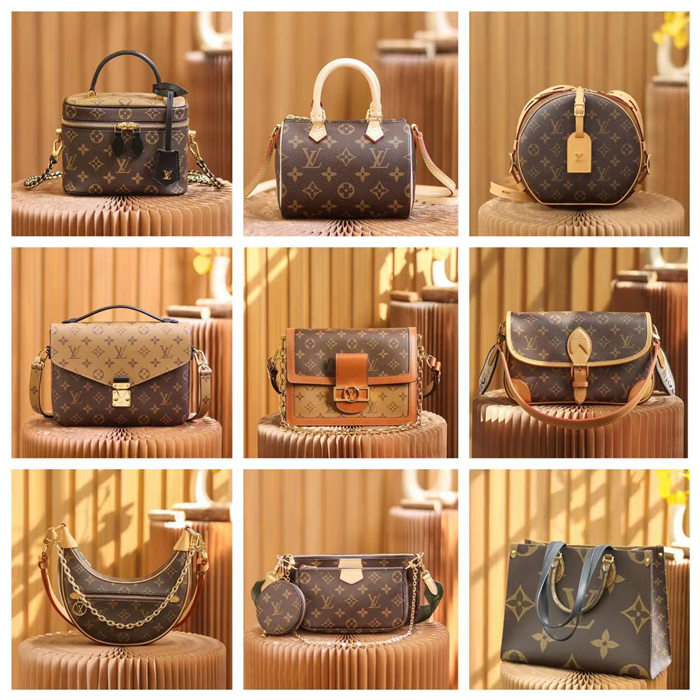
Is Selling Fake Luxury Goods on Xiaohongshu in Violation of Regulations?
Is Selling Fake Luxury Goods on Xiaohongshu in Violation of Regulations?,
**Is Selling Fake Luxury Brands on Little Red Book Illegal?**
Introduction
In the digital age, e-commerce platforms have become a major hub for merchants and shoppers. However, the issue of intellectual property and copyright infringement remains a focal point for debate. Little Red Book, a popular social media and e-commerce platform in China, often sees its users selling various products, including some that are labeled as "imitations" or "replicas" of luxury brands. This practice has sparked discussions about whether such sales are legal or not.Firstly, it is important to understand the legal framework surrounding the sale of intellectual property-infringing goods. Copying or selling unauthorized items that closely resemble registered trademarks of luxury brands often constitutes a violation of copyright law.
Little Red Book and Luxury Replica Sales
Little Red Book is known for its community-driven content and the rise of influencers who share product recommendations with their followers. The platform has become a popular destination for many looking to buy affordable alternatives to high-end luxury brands. However, this also means that some merchants offer what are essentially fake luxury items.
In China, there are specific laws in place that prohibit the sale of counterfeit goods, including those that imitate registered trademarks of major brands. These laws aim to protect intellectual property rights and uphold fair business practices.
While Little Red Book might offer a platform for merchants to showcase their products, it is crucial to distinguish between selling legitimate goods and selling unauthorized replicas that infringe on intellectual property rights.
The platform itself has also taken measures to combat the sale of fake goods by removing such content from its platform and taking down accounts that violate its policies. However, the responsibility also lies with the merchants and consumers to be vigilant and ensure that they are not supporting or buying illegal goods.
Conclusion
In conclusion, selling fake luxury brands on Little Red Book or any other platform is illegal and goes against the principles of intellectual property protection. Merchants need to be mindful of the legal implications of selling such goods, while platforms should enforce strict measures to combat the sale of counterfeit items.
Furthermore, as consumers, we should be cautious about what we are buying and support genuine products that uphold quality and ethical business practices. The fight against counterfeit goods is not only about legal compliance but also about supporting fair trade and protecting the interests of legitimate businesses.
In the realm of online commerce, it is everyone's responsibility to ensure that the market remains fair and transparent.