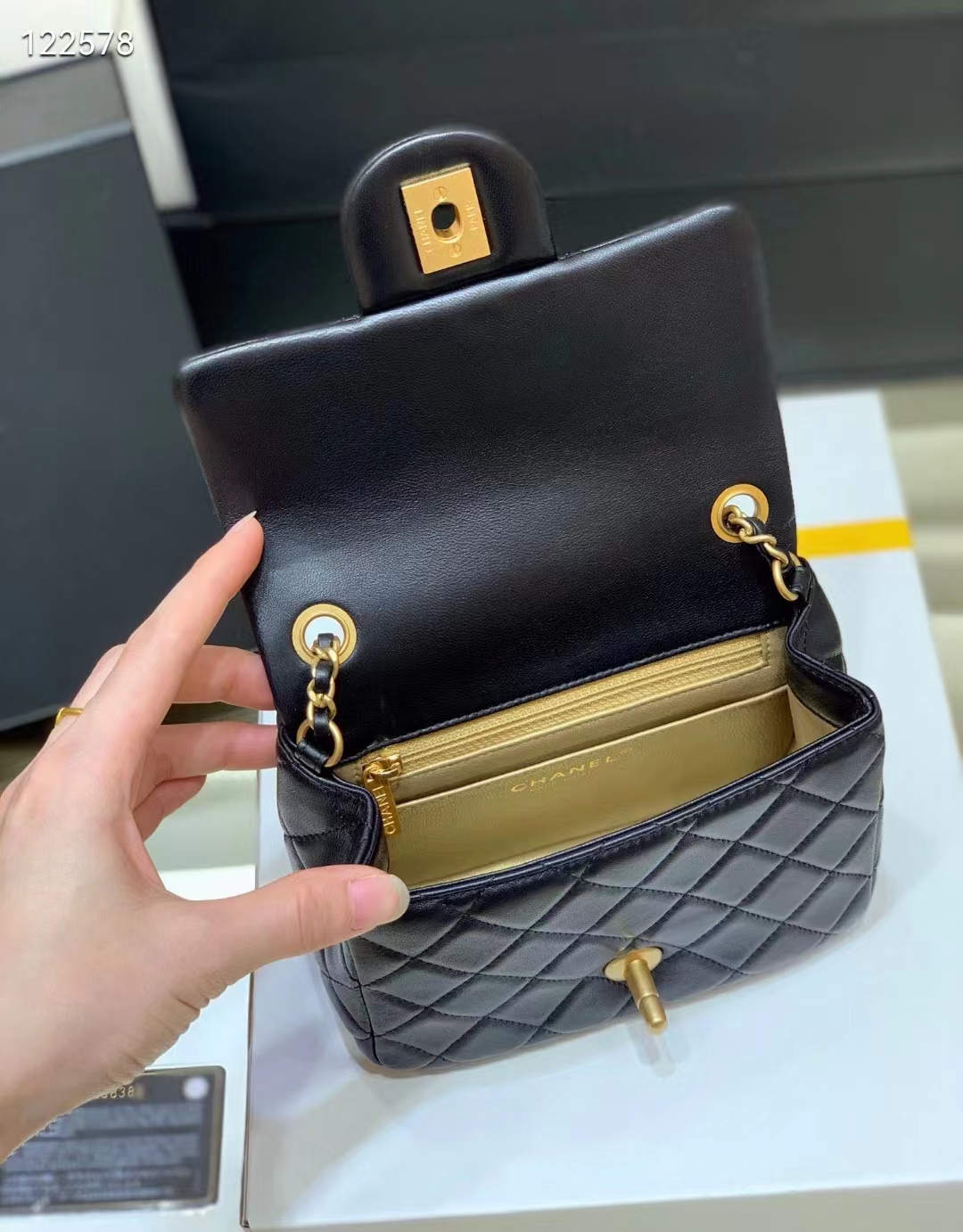
Is it Illegal to Make High-end Replica Luxury Shoes?
Is it Illegal to Make High-end Replica Luxury Shoes?,
Luxury Fake Shoes: Legal or Illegal?
In the realm of fashion, high-end luxury brands often hold a prestigious position. The demand for their products, especially their footwear, is often high, leading to the emergence of high-quality replicas or "fakes." While the concept of high-end replica footwear may seem harmless, the legality behind it is often a complex issue that involves trademark infringement and intellectual property rights.
The Legal Perspective on High-End Fake Shoes
The sale and production of high-quality replicas of luxury goods often fall under the radar of intellectual property laws. The specific legalities can vary depending on the country and state, but generally, if a shoe brand's trademark is being used without permission, it can be considered trademark infringement. This is especially true if the replicas are being sold as genuine products or if they are being marketed in a way that could mislead consumers.
Moreover, high-end replica footwear may also violate copyright laws if they involve unauthorized use of original designs or patterns. The production and sale of such replicas can cause significant financial losses to legitimate businesses by eroding their market share and reputation.
However, it's not just the luxury brands that are affected. Consumers also need to be aware of the potential risks involved in buying high-end replicas. These risks range from purchasing a product that doesn't offer the same quality as the original to being duped into buying a product that is not genuine and may not even be safe.
Moreover, in some cases, the manufacturing process of high-end replica footwear might involve unethical labor practices or even child labor. Therefore, as a consumer, buying fakes might indirectly support such unethical practices.
On the other hand, some argue that high-end replica footwear is merely a form of artistic expression or cultural commentary. In such cases, the argument is made that such replicas should be protected under freedom of expression rather than being considered illegal.
In conclusion, the legality of high-end replica footwear is a complex issue that involves several aspects such as trademark infringement, copyright laws, consumer rights, and ethical considerations. While some countries might have more lenient laws regarding this issue, it's always advisable for both manufacturers and consumers to stay within the legal framework and be mindful of intellectual property rights.