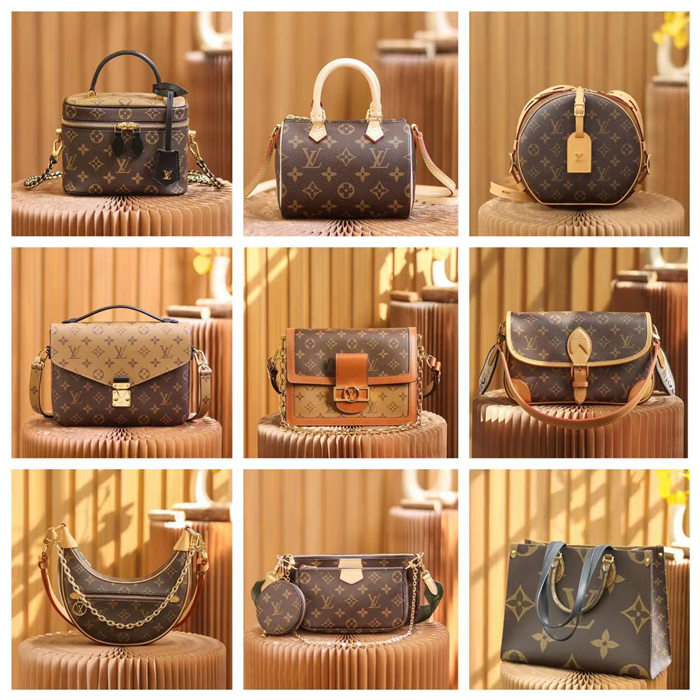
Is Imitation of Luxury Goods Considered as Fake Products?
Is Imitation of Luxury Goods Considered as Fake Products?,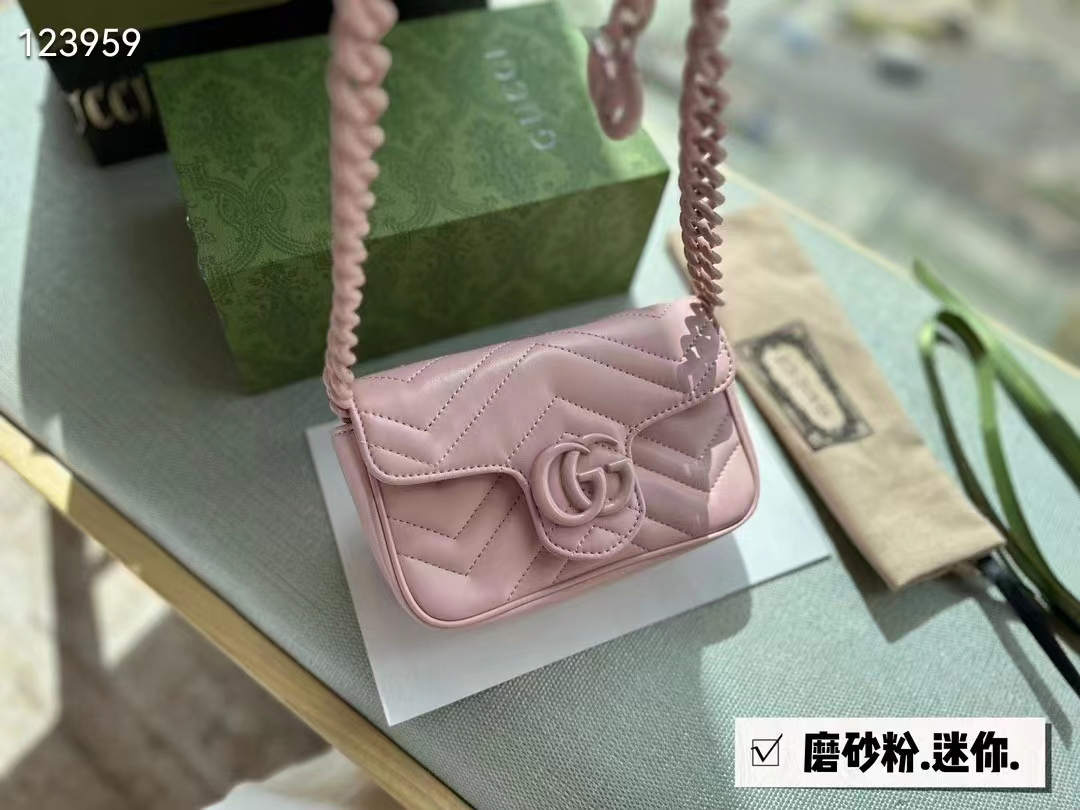
Is Commodity Imitating Luxury Considered as Fake?
In the realm of consumer goods, the concept of luxury often holds a special appeal, attracting individuals seeking exclusive and premium products. However, with the rise of the economy and increased competition in the market, some businesses have found it profitable to imitate luxury brands in their products without actually having the authorization from the original brand owners. This practice of creating commodity imitations leads to a question: is this imitation considered as fake?
Understanding the Difference between Imitation and Fake
To begin with, it is important to understand the distinction between imitation and fake. Imitating luxury brands in terms of design, packaging, or marketing strategies does not necessarily mean that the product is fake. It merely reflects an attempt to capture a portion of the luxury market by aligning oneself with similar aesthetics or quality standards. These imitated products often offer a lower price point as compared to the original luxury brands but still provide a certain level of quality in terms of materials used or craftsmanship.
On the other hand, a fake product is one that knowingly misrepresents itself as an original or genuine product from a known brand without any authorization from the brand owner. This involves deliberate deception and is often done for financial gain, exploiting consumers who might not be able to discern the difference between an authentic and a fake product.
The Legal and Ethical Considerations of Commodity Imitations
Legally speaking, commodity imitations may not always constitute as fakes if they do not claim to be the original product. However, it is important for businesses to exercise caution and ensure that their actions do not infringe on intellectual property rights or violate any trademark laws. Improper imitation could lead to legal disputes or penalties.
Moreover, from an ethical perspective, while commodity imitations might offer consumers an affordable alternative, it is important to maintain a certain level of integrity and honesty with consumers. When businesses present their imitated products as something that is comparable to luxury brands without making any misleading claims, it can be considered acceptable. However, if there is a conscious effort to deceive consumers into believing that these are genuine luxury products, then it crosses the line and becomes unethical.
Conclusion
In conclusion, whether commodity imitations are considered fake or not depends on the context and intention behind the production of such products. As long as there is no misrepresentation or infringement of intellectual property rights, commodity imitations can be seen as an alternative option for consumers seeking a lower price point while still enjoying a certain level of quality. However, it is imperative for businesses to remain mindful of ethical standards and avoid any practices that could deceive or mislead consumers.