Is Selling Fake Luxury Goods via Live Streaming Illegal?
Is Selling Fake Luxury Goods via Live Streaming Illegal?,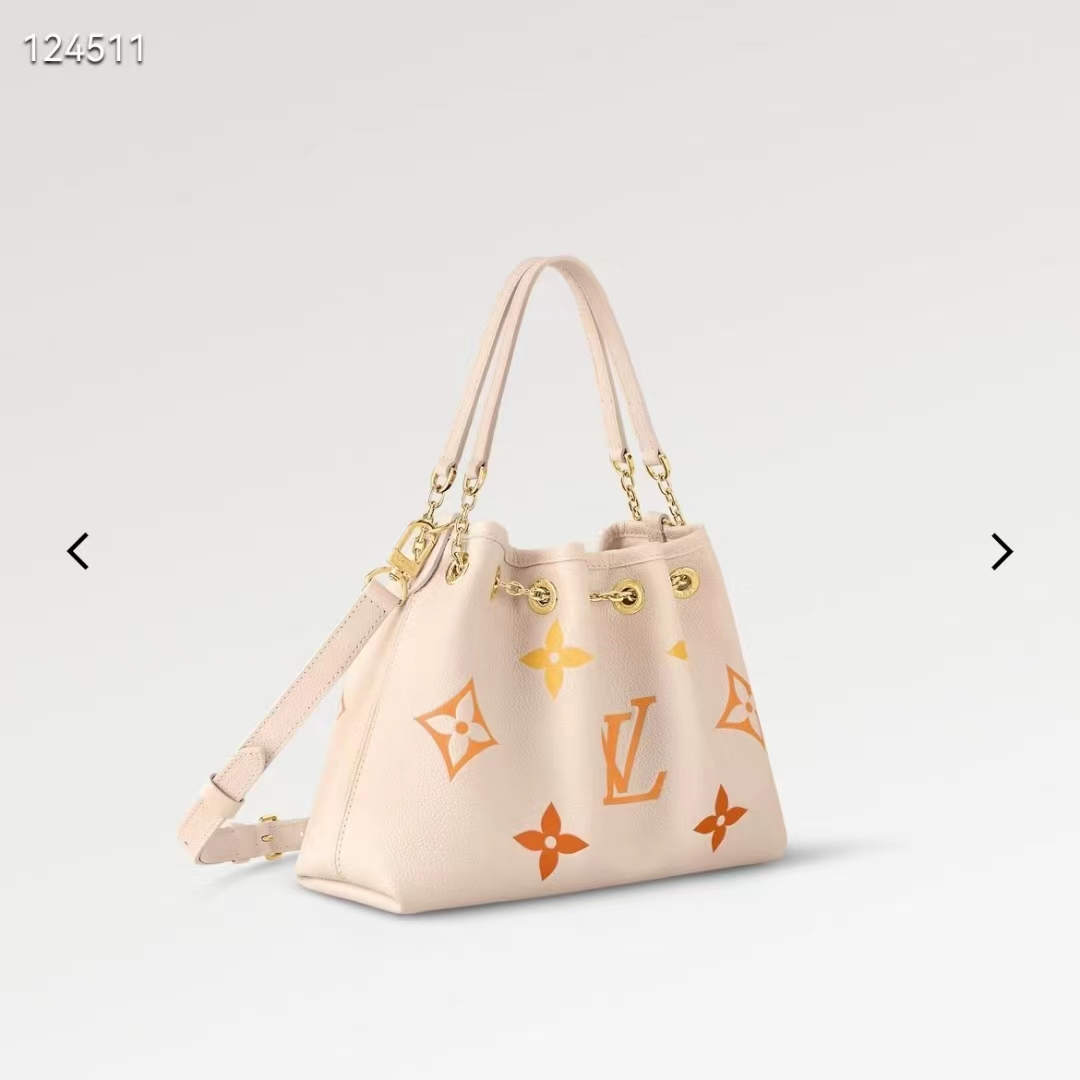
**Has Selling Fake Luxury Goods on Live Streams Become Illegal?**
Introduction
In the digital age, live streaming has become a popular platform for various business activities, including the sale of goods. However, the legal implications of selling certain items, especially when it involves仿奢侈品(fake luxury goods), are often complex and raise various ethical and legal concerns. The sale of such items has led to debates on whether it qualifies as an illegal act in many jurisdictions.With the rise of online retail and social media marketing, many sellers have turned to live streaming as a viable platform to sell their products, including imitation or fake luxury goods. While some consumers are attracted to the low price points and practical convenience, there is a growing concern about the legality of such transactions.
The Legal Perspective
Firstly, the legal definition of selling fake goods depends heavily on local laws and regulations. In most countries, selling counterfeit or imitation goods that imitate the design or trademark of a genuine luxury brand is considered illegal. Such behavior infringes on the trademark owner's intellectual property rights and could lead to legal action being taken by the authorities.
Secondly, live streaming platforms often have their own set of rules and regulations that sellers must adhere to. These guidelines typically prohibit the sale of fake or counterfeit goods as they can damage the reputation of the platform and pose risks of attracting legal liability. Therefore, engaging in such activities on live streaming platforms could result in account suspension or removal from the platform.
Moreover, from a consumer protection standpoint, selling fake luxury goods to unaware consumers is not only unethical but also may violate consumer protection laws. It risks misleading consumers about the quality and authenticity of the products they are purchasing, which can lead to legal repercussions for sellers.
Conclusion
In conclusion, selling fake luxury goods on live streaming platforms is highly likely to be considered illegal, especially if it involves the unauthorized use of trademark-protected designs or logos. Sellers should exercise caution when promoting their products on these platforms, ensuring they adhere to all relevant laws and regulations. Moreover, as consumers, we should be vigilant about purchasing products from verified sources and avoid buying fake goods that may not only be inferior in quality but also expose us to legal risks.
With the evolution of technology and consumer awareness, it is becoming increasingly important for all parties involved in online retail to understand their responsibilities and rights. Sellers need to be mindful of the legal implications of their actions, while consumers should be informed about the authenticity of the products they are purchasing. Only through a balanced approach can we ensure a safe and legal online retail environment for all.