Microcommerce Fake Luxury Goods Scam Exposed
Microcommerce Fake Luxury Goods Scam Exposed,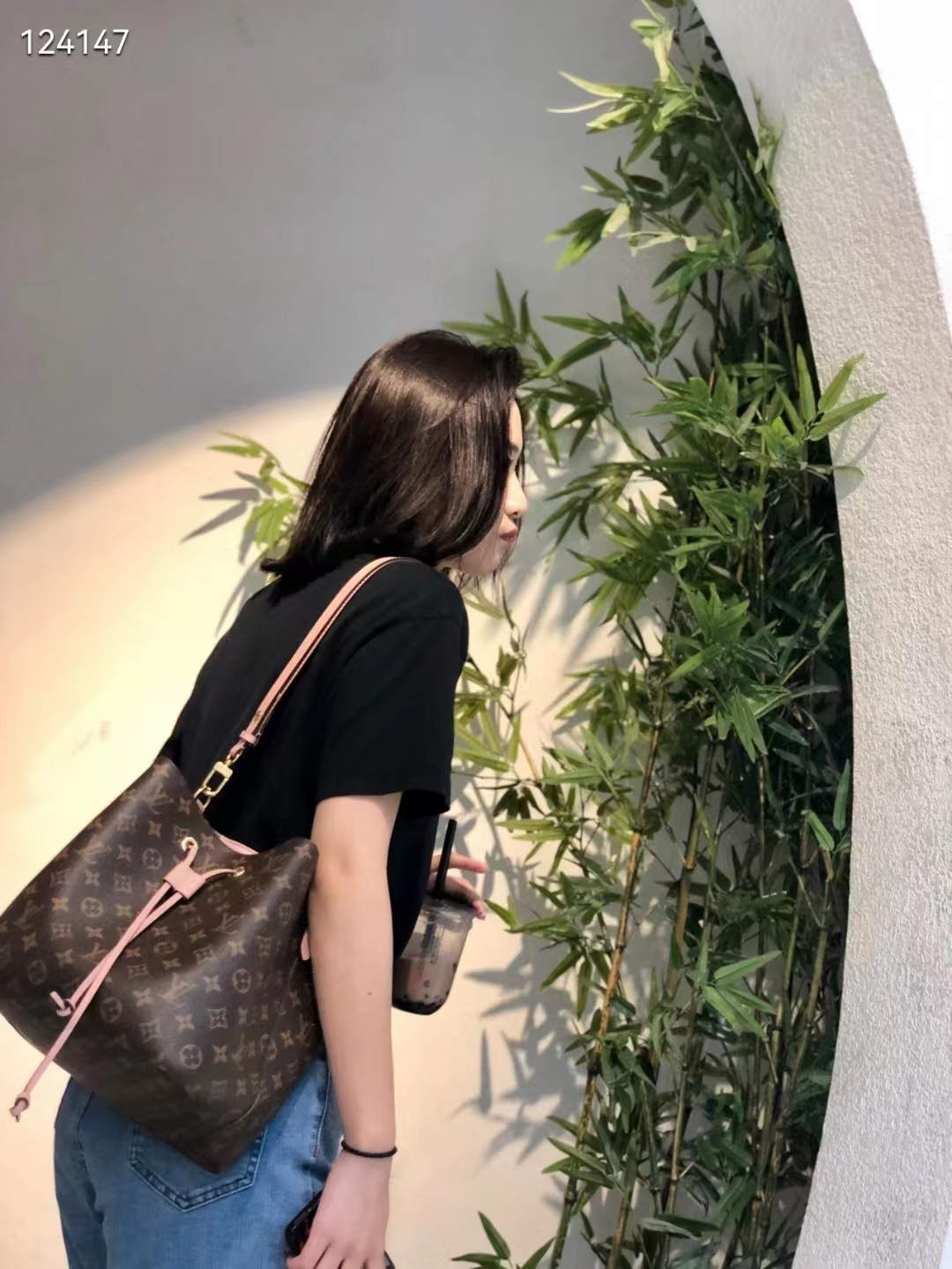
Microcommerce Luxury Fakes Scam: A Deeper Look
In the fast-paced world of digital marketing and social media, microcommerce has become a ubiquitous phenomenon. This includes the sale of high-end luxury goods, often in the form of replica or high-imitation products. While the line between genuine and counterfeit products becomes increasingly blurred, consumers are often left in the dark about the true nature of these "luxury" items, falling prey to various scams. Here is a closer examination of the microcommerce high-imitation luxury goods scam.
The Rise of High-Imitation Luxury Goods
In the realm of social media, where status symbols and brand names are often flaunted, high-imitation luxury goods have found a niche market. These products are meticulously crafted to resemble genuine luxury items, often with such precision that even experts can be fooled. Microcommerce platforms have become a breeding ground for these fakes, offering them at highly attractive prices.
The problem lies in the lack of transparency and genuine product verification. Scammers take advantage of this loophole, using high-quality images and convincing sales pitches to lure unsuspecting consumers into buying these imitation products. Often, consumers are led to believe they are purchasing genuine goods only to discover the truth upon receiving a substandard replica.
The Impact of Scams on Consumers
The consequences of these scams are numerous. Consumers not only lose their hard-earned money but also suffer from a sense of betrayal and disappointment. The impact on brand reputation is also significant, as trust in genuine luxury brands may be eroded due to these fraudulent activities.
Moreover, these scams can have broader social implications. The proliferation of fake luxury goods can undermine the credibility of microcommerce as a whole, affecting legitimate businesses operating within this domain. It can also encourage a culture of buying cheap fakes instead of investing in genuine quality, potentially damaging the overall economy and consumers' perception of value.
How to Avoid Being Scammed
In the face of such scams, consumers need to be extra vigilant. Here are some tips to avoid falling prey to high-imitation luxury goods scams:
- Be cautious of overly attractive prices, especially for high-end luxury goods.
- Check for genuine product certification and brand authentication.
- Read reviews and feedback from other consumers.
- Purchase from reputable microcommerce sources with a track record of selling genuine products.
Moreover, awareness and education on the risks of buying fake luxury goods are crucial. Consumers should understand that while the initial purchase may be tempting, the long-term consequences of buying fakes often outweigh the short-term benefits.
Conclusion
The microcommerce high-imitation luxury goods scam is a growing concern that requires attention from all stakeholders. Consumers, businesses, and society as a whole need to work together to combat this menace, ensuring transparency and genuine product verification in microcommerce transactions.