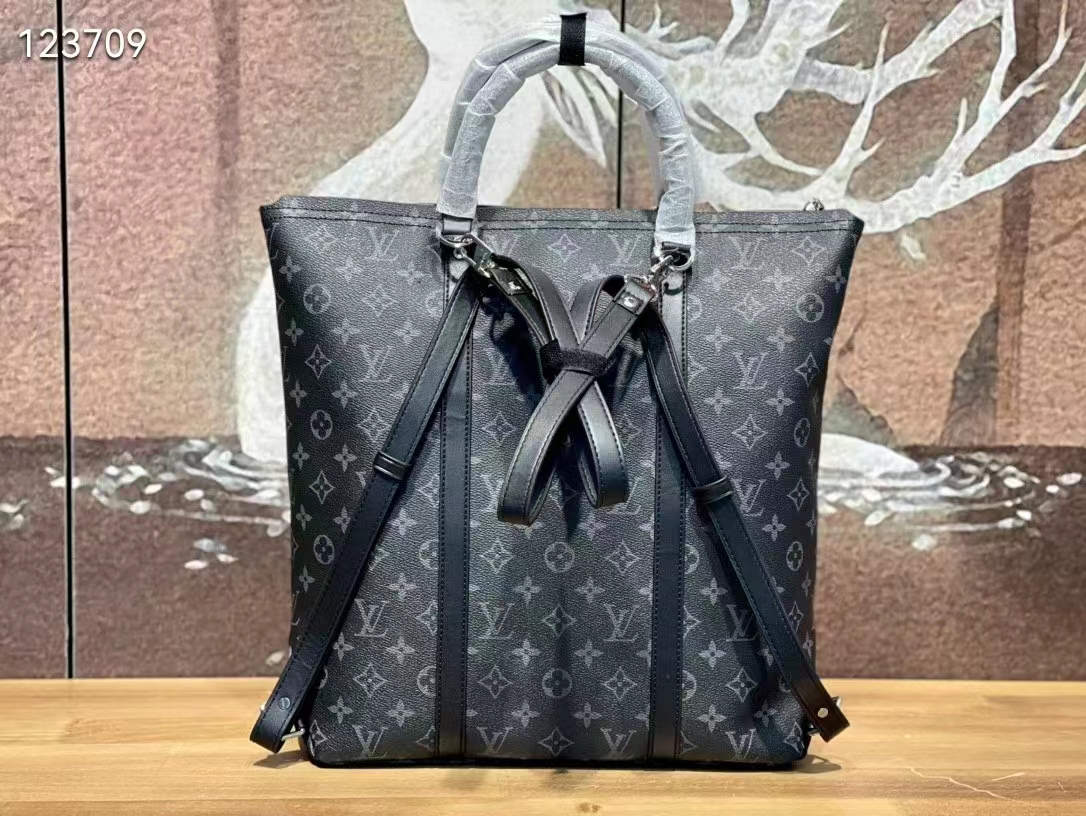
Is it Illegal to Produce Luxury Fake Goods?
Is it Illegal to Produce Luxury Fake Goods?,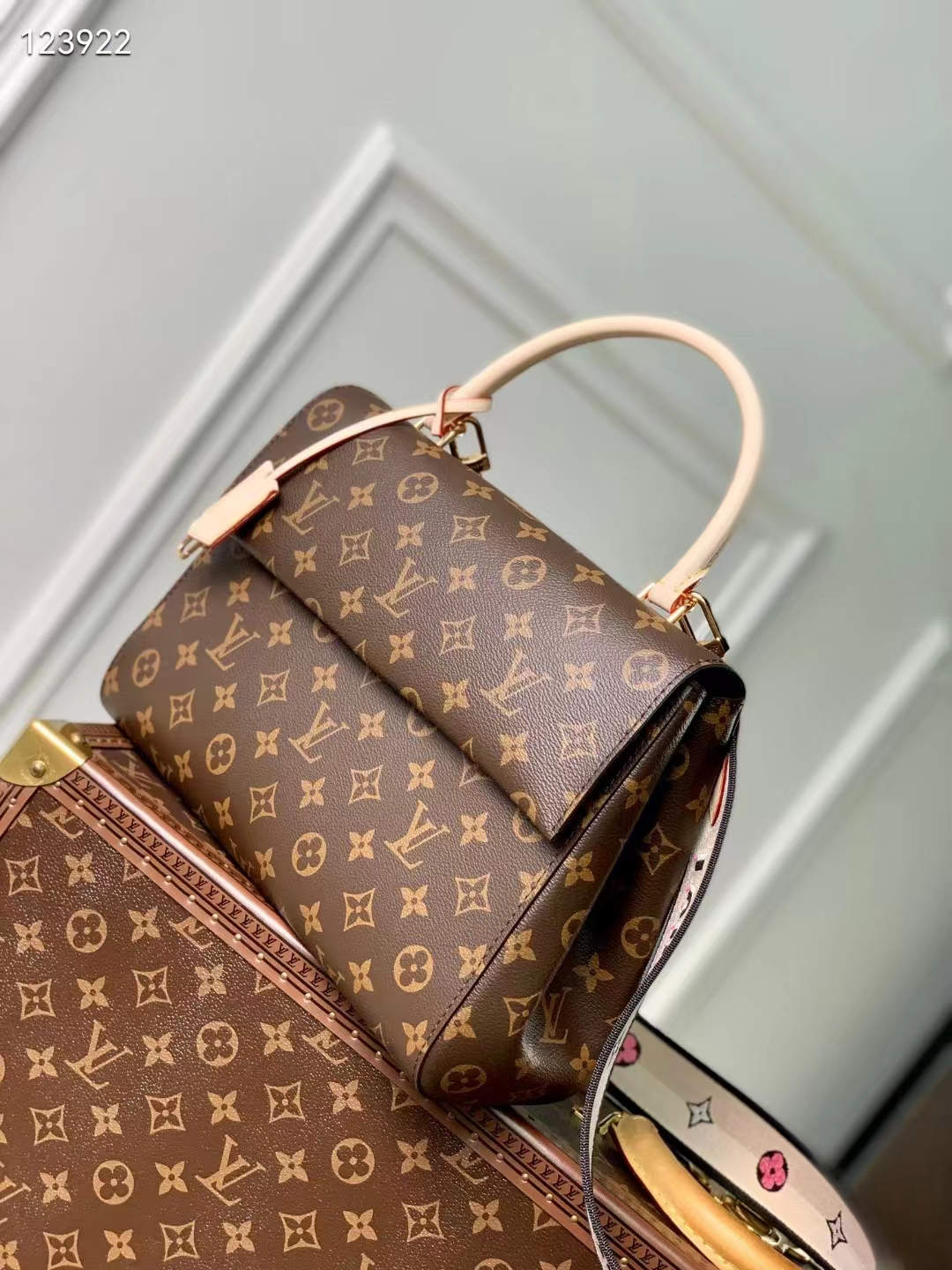
Luxury Fakes: Legal or Illegal?
In the realm of consumer goods, the world of luxury brands holds a special place for many. From high-end fashion to fine jewelry, the allure of luxury goods often lies in their uniqueness, quality, and status symbol they represent. However, with the rise of globalization and the internet, the market for luxury goods has also expanded, leading to the emergence of a new phenomenon - the rise of luxury fakes.
The question of whether it is legal or illegal to sell or possess luxury fakes is a complex one. In most countries, producing and selling counterfeit goods is illegal. These counterfeits are not only replicas of genuine luxury goods but also often infringe intellectual property rights, violating the law and often involve financial risks and legal consequences.
Legalities Surrounding Luxury Fakes
Firstly, luxury fakes are illegal due to copyright and trademark infringements. When a product is replicated without the permission of the original brand owner, it is a violation of copyright and trademark law. These laws protect the original creator's intellectual property rights and ensure fair competition in the market.
Moreover, selling luxury fakes can have negative impacts on legitimate businesses and consumers. It disrupts the market by providing low-quality alternatives that may compromise consumer safety. Additionally, it may cause financial losses to legitimate businesses by eroding their market share and reputation.
In some cases, purchasing luxury fakes may also be considered illegal, depending on the circumstances. If a consumer knows that they are purchasing a fake product and intends to pass it off as genuine, then they are also violating intellectual property rights.
The Gray Area of Luxury Fakes
However, there is a gray area surrounding the issue of luxury fakes. Some people argue that if a fake product does not claim to be genuine or does not infringe on any intellectual property rights, then it should be considered legal. For instance, some replica products are made with genuine materials but are not marketed as original brands.
Moreover, there is also a cultural aspect to consider. In some cultures, wearing fake luxury goods is considered a form of expression or status symbol. While this practice may not violate any laws, it's important to be aware of the implications it might have on one's social standing and relationships.
Conclusion
In conclusion, the legality of luxury fakes depends on various factors such as copyright infringement, trademark violations, and market impacts. While there may be a gray area in some cases, it's important to be aware of the legal risks and consequences associated with buying and selling counterfeit goods. Moreover, as consumers, we should also exercise caution and make ethical choices when purchasing luxury goods to support fair competition and protect our rights as consumers.