Is Wearing Fake Luxury a Matter of Shame?
Is Wearing Fake Luxury a Matter of Shame?,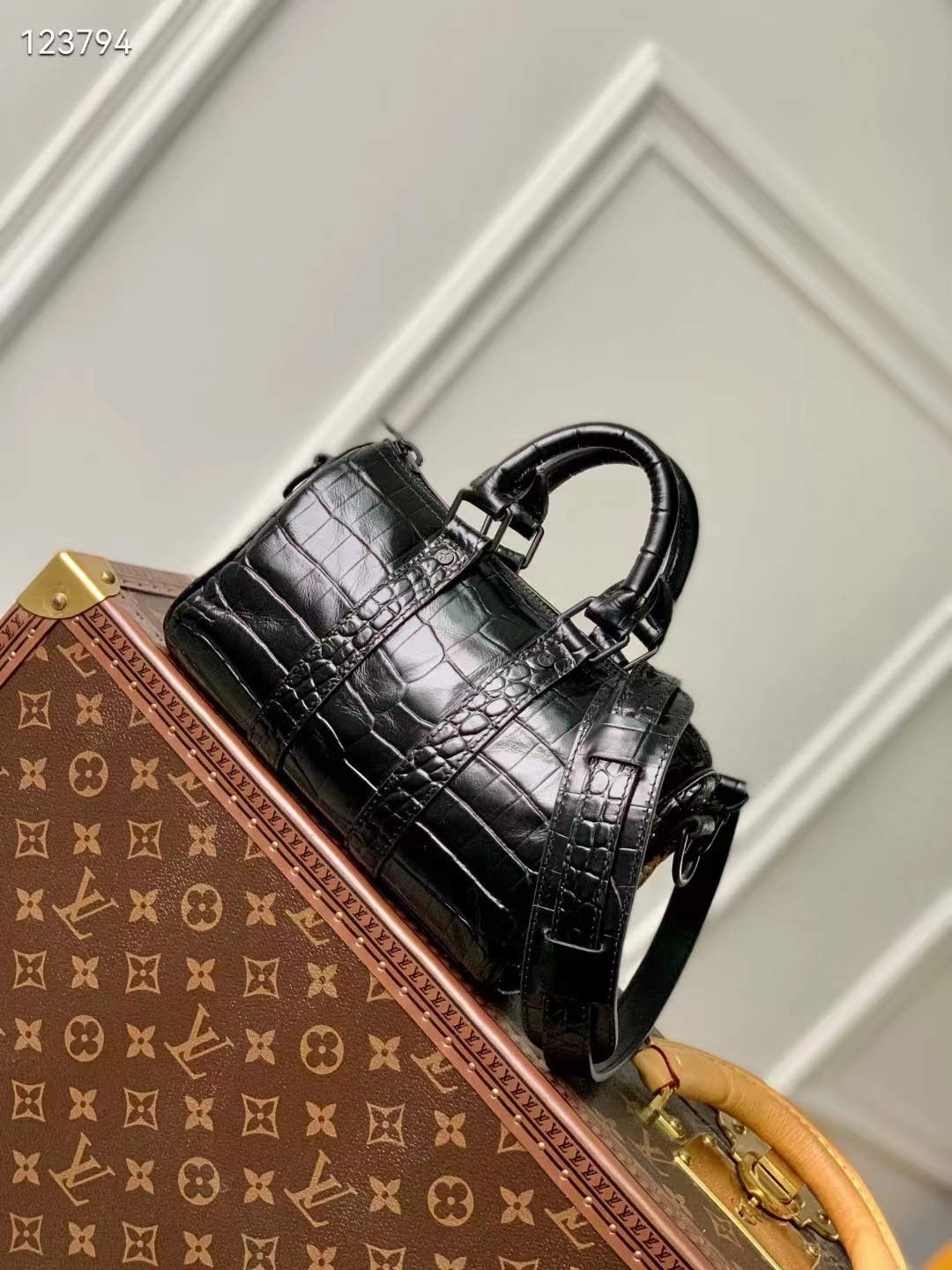
**Is it a Loss of Face to Wear Fake Luxury Goods?**
Introduction
In the world of fashion and consumer culture, the question of wearing fake luxury goods and the potential loss of face it might bring has become a subject of intense debate. The issue touches on topics like social status, authenticity, and the perception of value in a consumer-driven society. Let's explore this complex topic to understand its various perspectives.Firstly, it's important to acknowledge that the fashion industry is vast and diverse. Luxury brands hold a significant position in this industry, often associated with high status and exclusive designs. However, the high prices of these products often push many individuals to opt for cheaper alternatives – known as 'imitation' or 'replicas.' This phenomenon has become increasingly common, giving rise to a flourishing market of affordable yet fashionable alternatives.
Some people believe that wearing fakes can be embarrassing or even a source of shame, as they are perceived as an attempt to imitate something that is not attainable within one's budget. In this view, authenticity is paramount, and any compromise in originality is a compromise on one's dignity and self-expression. Social media often reinforces this perception by showcasing the lives of affluent individuals flaunting their genuine luxury brands.
The Debate on Fake Luxury Goods
However, there is another perspective that suggests wearing fake luxury goods does not necessarily lead to a loss of face. In this view, fashion is about self-expression and staying within one's budget. If an individual can afford a replica that closely resembles a high-end brand and feels comfortable wearing it, then it should be considered an acceptable choice. Furthermore, this argument questions the underlying values that place high status on original labels instead of individual style and personal choice.
Moreover, some people believe that the distinction between original and fake is becoming increasingly blurred in the era of fast fashion and mass customization. In this context, wearing fakes becomes less about imitation and more about expressing oneself through affordable fashion choices. In some cultures, where luxury brands are not as highly valued or the cost of living is higher than brand recognition, wearing replicas may not carry any negative social implications.
Conclusion
Ultimately, whether wearing fake luxury goods is a loss of face or not depends on individual perspectives and cultural values. The authenticity of a brand should not be confused with personal dignity or self-expression. What's important is that people feel comfortable in what they wear and align their choices with their personal values and budget. Fashion should be about expressing oneself, not about conforming to societal pressures or material expectations. It's about making informed choices that empower individuals rather than being confined by labels or notions of status.Ultimately, whether you choose original or replica, it should be done with confidence and without shame.