Luxury Vintage Shoe Recycling: The New Trend of Resurgence.
Luxury Vintage Shoe Recycling: The New Trend of Resurgence.,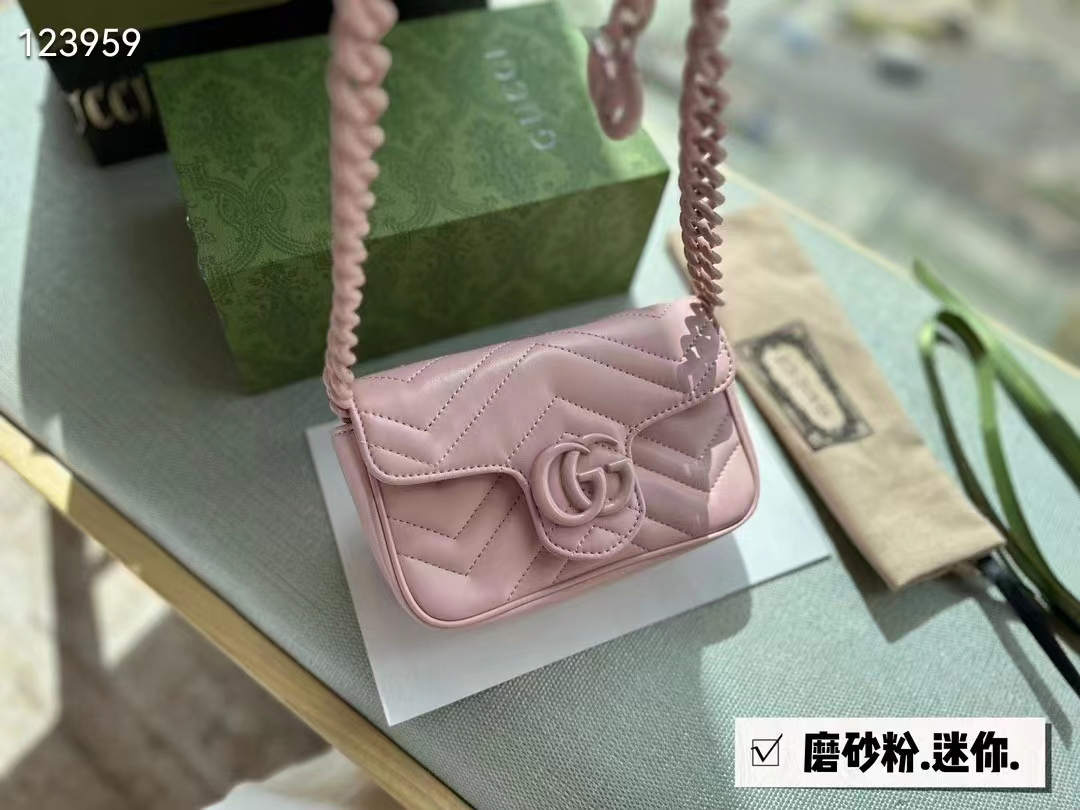
Luxury Vintage Shoes Recycling: A Global Trend
The fashion industry has always been at the forefront of innovation and evolution, with each passing season bringing new trends and styles. In recent years, however, a notable shift has occurred in the luxury footwear market, with a strong emphasis on vintage and pre-owned styles. This has led to a surge in the demand for luxury vintage shoe recycling, as aficionados seek to revive the charm of the past in their wardrobe.
The phenomenon of luxury vintage shoe recycling reflects a broader cultural shift towards sustainability and environmental consciousness. As consumers become increasingly aware of the environmental implications of fast fashion, they are turning towards sustainable practices that minimize their carbon footprint. Luxury brands are responding to this trend by offering pre-owned collections and encouraging customers to recycle their old footwear.
The Rise of Luxury Vintage Shoe Recycling
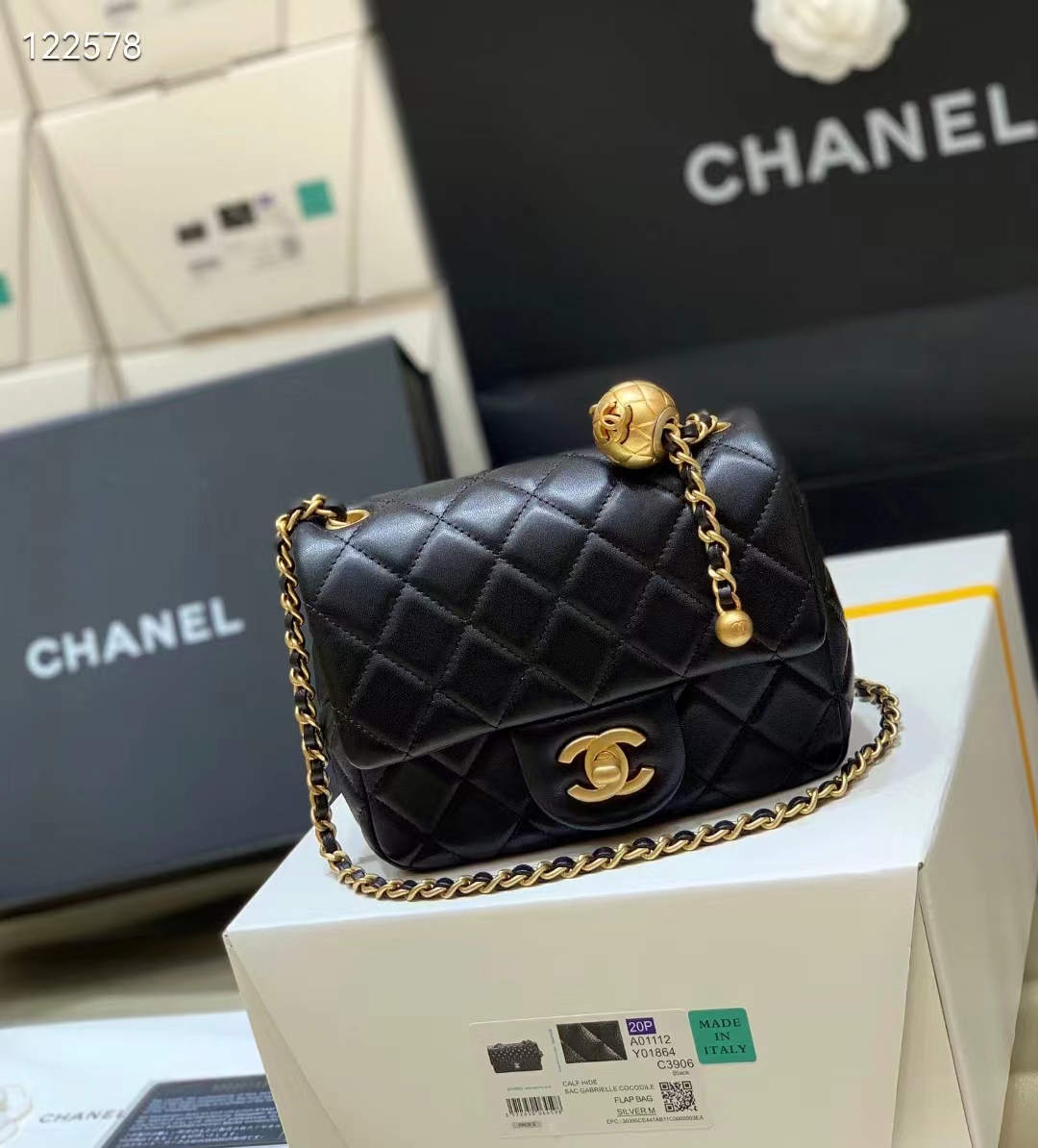
The luxury vintage shoe market has experienced significant growth in recent years. High-end brands such as Louis Vuitton, Gucci, and Chanel have capitalized on this trend by offering their own pre-owned collections. These collections provide customers with an opportunity to purchase luxury footwear with a story, often made with high-quality materials and craftsmanship that endure over time.
Moreover, the rise of social media and online platforms has made it easier for consumers to buy and sell pre-owned luxury shoes. Platforms like Depop, The RealReal, and Vestiaire Collective have made it possible for enthusiasts to find vintage luxury footwear from past seasons or even decades. These platforms also provide a channel for reselling these shoes after use, ensuring they are recycled and passed on to future owners.
Sustainability and Environmental Consciousness in Luxury Shoe Recycling
The drive for sustainability has led many luxury brands to adopt responsible production practices. Brands are now focusing on using sustainable materials and ensuring the ethical treatment of workers throughout their supply chain. Additionally, they are encouraging customers to recycle their old footwear through dedicated recycling programs.
Luxury vintage shoe recycling not only benefits the environment but also contributes to the circular economy. By buying pre-owned luxury shoes or recycling old ones, consumers are supporting the secondhand market, which in turn fuels local economies and provides opportunities for employment. Moreover, recycling footwear helps reduce waste and decrease the need for new materials in production, further promoting sustainability.
Conclusion
In conclusion, luxury vintage shoe recycling is not only a trend but also a step towards a more sustainable future. As consumers become increasingly aware of their carbon footprint and the impact of fast fashion on the environment, they are turning towards sustainable practices that minimize waste and promote circularity. Luxury brands are responding to this trend by offering pre-owned collections and encouraging customers to recycle their old footwear, demonstrating a commitment to sustainability.