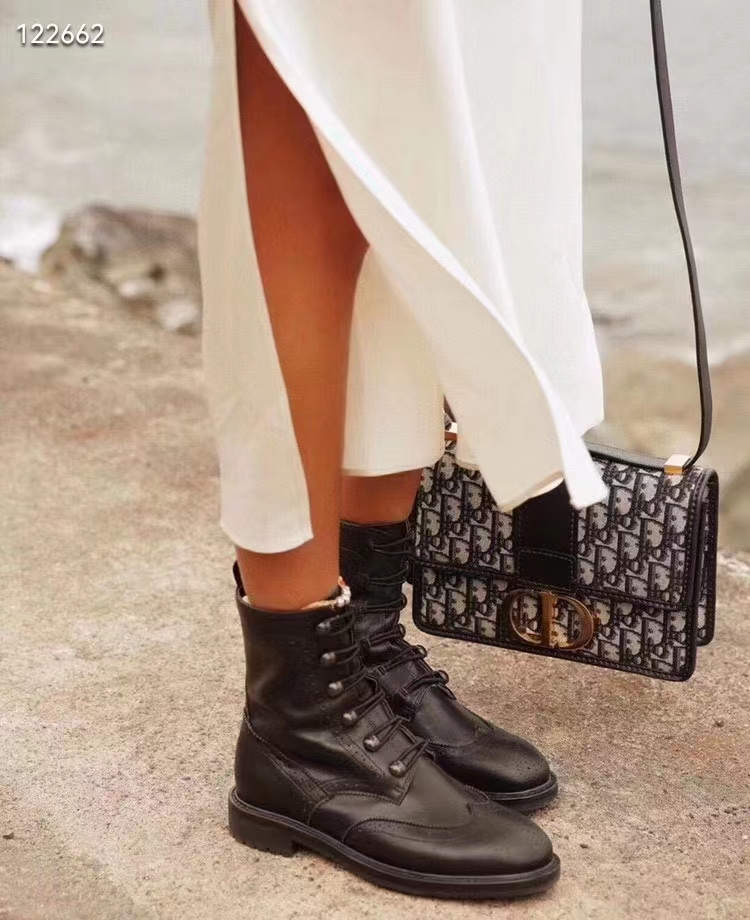
Which Luxury Brands Are Being Imitated?
Which Luxury Brands Are Being Imitated?,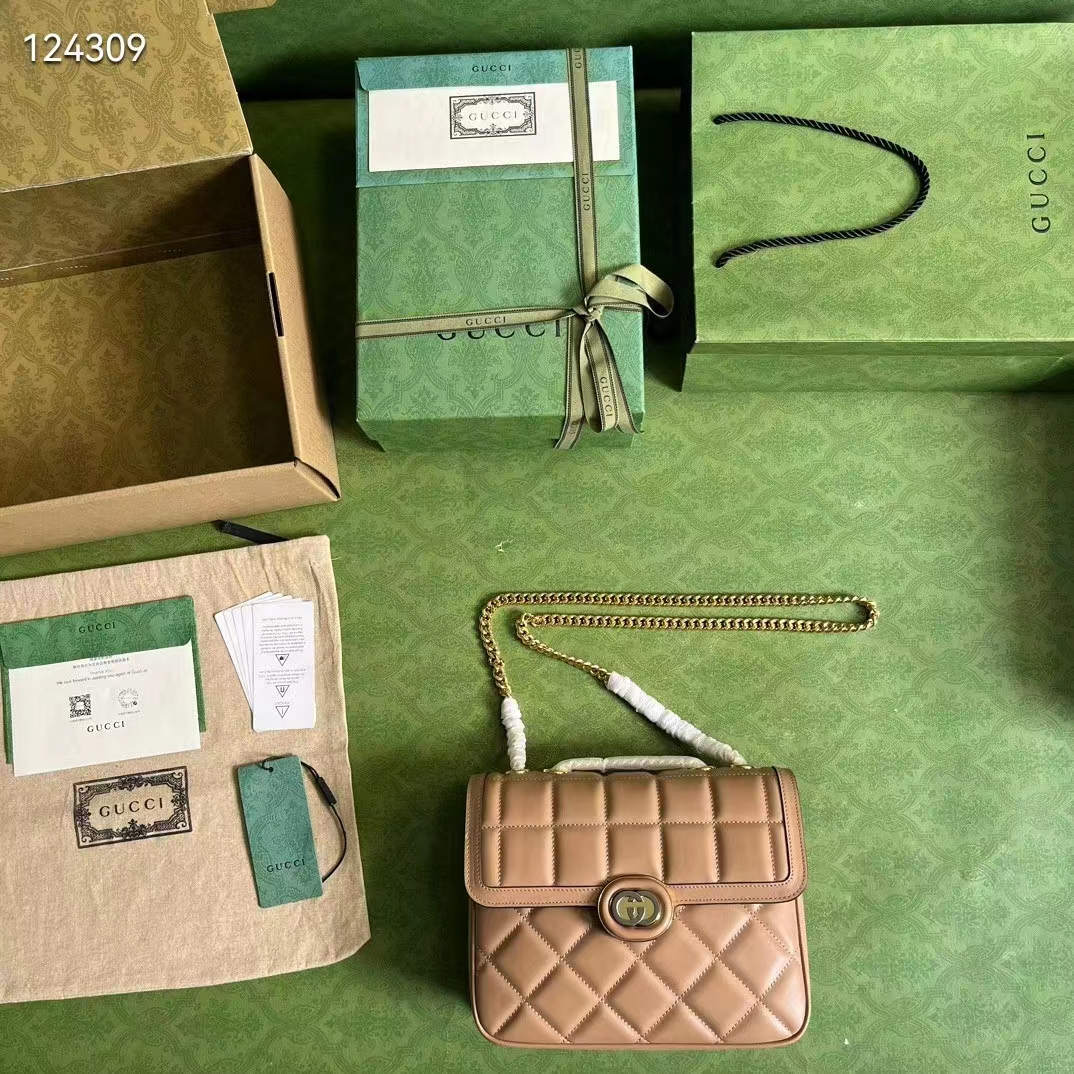
Luxury Brands: The World of Copycats
In the world of high-end fashion and luxury goods, certain brands have become synonymous with quality, status, and a certain je ne sais quoi. These brands are not just about the products they sell; they are about the stories, the heritage, and the exclusive experiences they offer. However, as these brands grow in popularity, they often become targets for imitation and counterfeit.
The Most Targeted Luxury Brands
The luxury market is vast and diverse, encompassing a wide range of products from fashion, jewelry, automobiles, and even high-end technology. Some of the most popular and high-profile brands in these sectors are often the most targeted by copycats. For instance, in fashion, brands like Louis Vuitton, Gucci, and Chanel are not only known for their impeccable craftsmanship but also for their unique designs.
These brands have a following that is loyal to a fault, and their products often fetch high prices. It is no wonder that copycats see these as opportunities to make a quick buck. From cheap imitation pieces sold in markets to high-end counterfeit goods that are almost identical to the originals, these brands face constant challenges from those seeking to capitalize on their reputation.
The Impact of Counterfeiting
The impact of counterfeiting on luxury brands is profound. Not only does it affect the brand's financial viability but also its reputation and the trust its customers place in it. Counterfeit products often compromise quality, leading to a diluted brand image and a loss of customer loyalty.
Moreover, it can also affect the brand's ability to innovate and introduce new products. If a brand constantly faces the threat of imitation, it may be hesitant to take risks or invest in new designs or technologies, fearing that these will be copied as soon as they are launched.
The Fight Against Counterfeiting
In response to this threat, luxury brands have taken several measures to combat counterfeiting. Some have invested in advanced manufacturing techniques to maintain a competitive edge over their competitors and counterfeiters. Others have intensified their legal battles against copycats, seeking to shut down production and distribution networks.
Moreover, many luxury brands have also stepped up their efforts to educate consumers about the dangers of buying counterfeit products. By promoting brand authenticity and encouraging customers to be vigilant about where they purchase their products, these brands are hoping to reduce the demand for counterfeit goods.
Conclusion
The battle against counterfeiting is an ongoing one for luxury brands. As long as there is a demand for their products and a profit to be made from imitation, the threat of counterfeiting will never fully diminish. However, with a combination of strategic planning, advanced manufacturing techniques, legal action, and consumer education, luxury brands can reduce the impact of counterfeiting and protect their reputation and financial viability.
希望这篇文章符合您的要求,您可以根据实际需要修改和润色。