

Luxury Brands Sue Fake Goods: The Rise of Counterfeiting Litigations
Luxury Brands Sue Fake Goods: The Rise of Counterfeiting Litigations,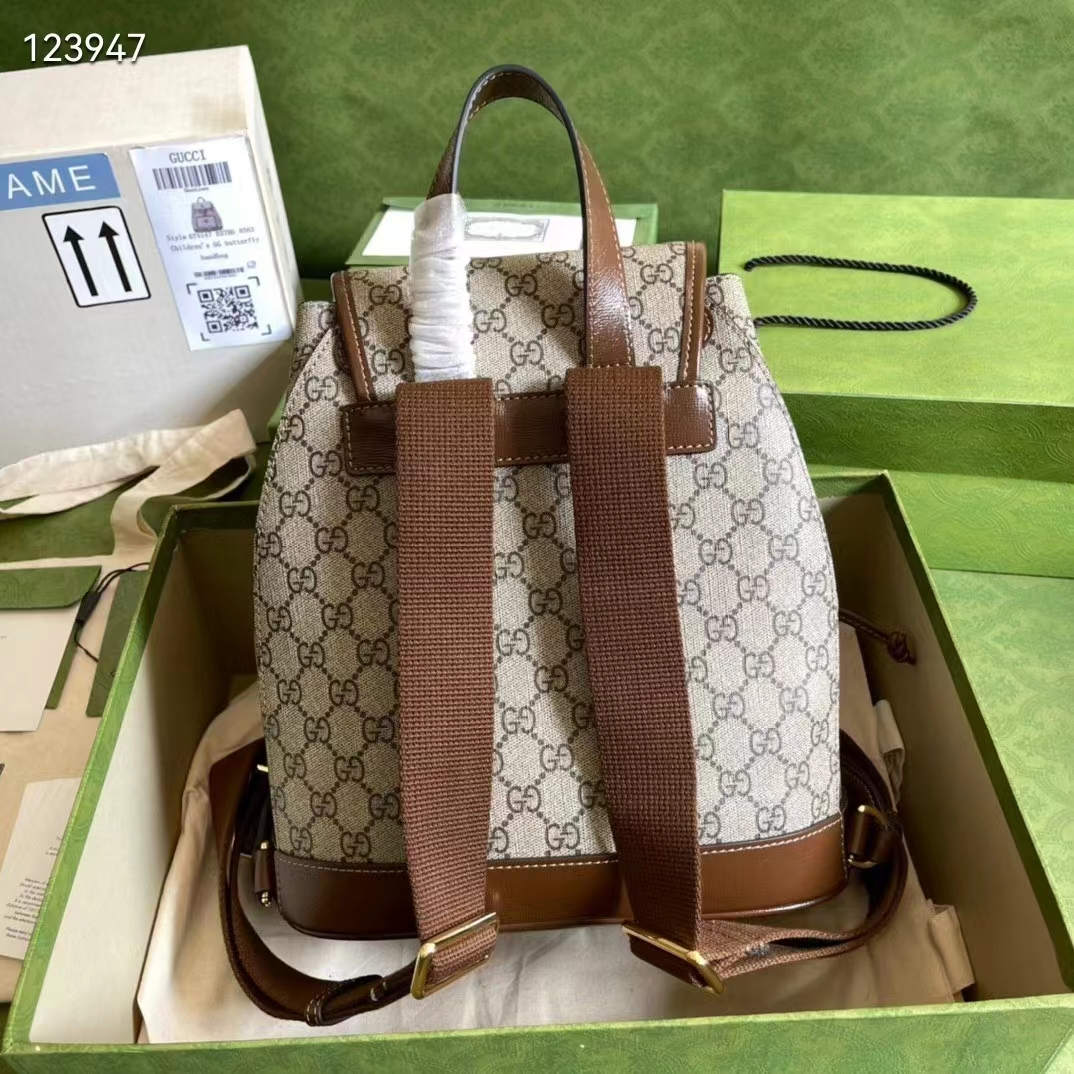
Luxury Brands Take on the Fight Against High-End Replicas: A Legal Perspective
In the fast-paced world of consumer goods, luxury brands hold a special place for their premium quality, exclusive designs, and impeccable craftsmanship. However, the rise of high-end replicas has become a significant challenge for these luxury brands, leading to a surge in legal actions against such imitations.The Threat of High-End Replicas to Luxury Brands
High-end replicas are often meticulously crafted and designed to imitate the look and feel of luxury products. While they might offer lower price tags compared to genuine luxury items, these replicas erode the uniqueness and value of original luxury brands. They tarnish brand reputation, affect sales, and ultimately undermine the hard work and investments made by luxury brands in terms of product development and marketing.The Legal Battle Against High-End Replicas
Confronting this threat, luxury brands have taken legal measures to combat the proliferation of high-end replicas. Firstly, they enforce their trademark rights to protect their unique branding and logos. By doing so, they ensure that replica makers cannot use their trademarks or any elements that are closely resembling them. Secondly, they pursue legal actions based on intellectual property rights violations, especially when it comes to designs and patents. Luxury brands often have intricate designs that are protected by intellectual property laws, and high-end replicas often infringe these rights. Thirdly, they seek legal assistance in combating unfair competition practices that arise from the sale of replicas. By proving that replicas are sold with misleading claims or with an intention to deceive consumers about their authenticity, luxury brands can seek legal remedies. Moreover, luxury brands collaborate closely with law enforcement agencies and government bodies to combat the production and sale of high-end replicas. Such collaborations often lead to raids on manufacturing sites and marketplaces that sell such replicas, ensuring that the production and distribution of these items are curbed. However, the legal battle against high-end replicas is not without challenges. Replica makers often operate in concealed networks or overseas, making it difficult to trace and prosecute them effectively. Moreover, some consumers might be attracted to these replicas due to their lower price tags, creating a demand that fuels the industry's growth. Despite these challenges, luxury brands continue to take legal measures to protect their intellectual property rights and combat unfair competition practices. As consumer awareness about authenticity increases, the demand for genuine luxury products will grow stronger, leading replica makers to reduce their activities or shut down altogether. Ultimately, the fight against high-end replicas is not only about legal victories but also about safeguarding brand values and consumer interests.

edit:
