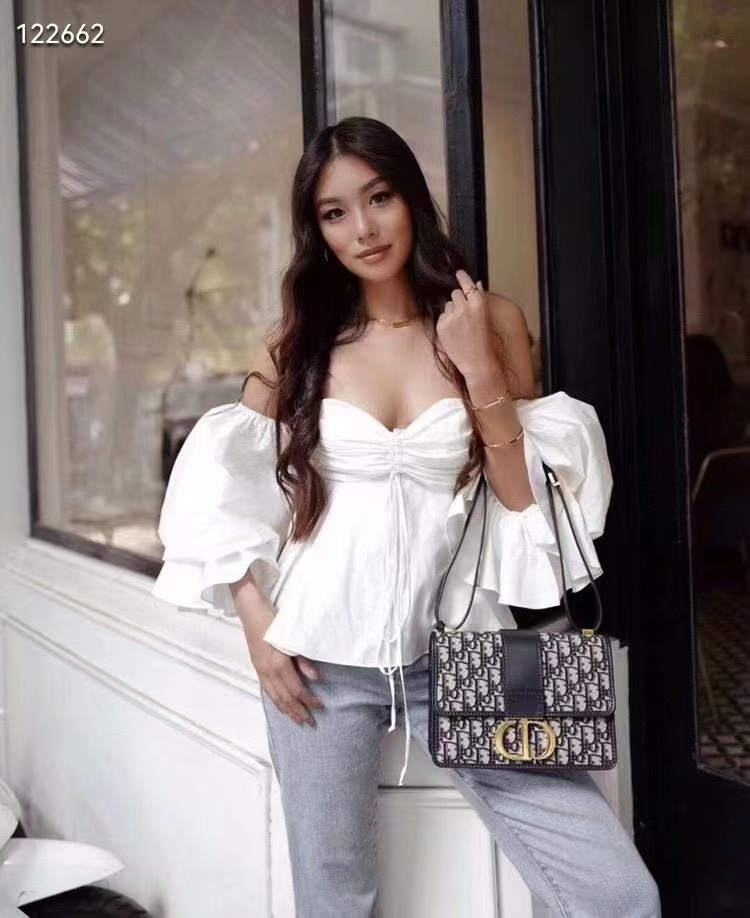
Vintage Luxe: The Rise of Fake Luxury from Thrift Finds
Vintage Luxe: The Rise of Fake Luxury from Thrift Finds,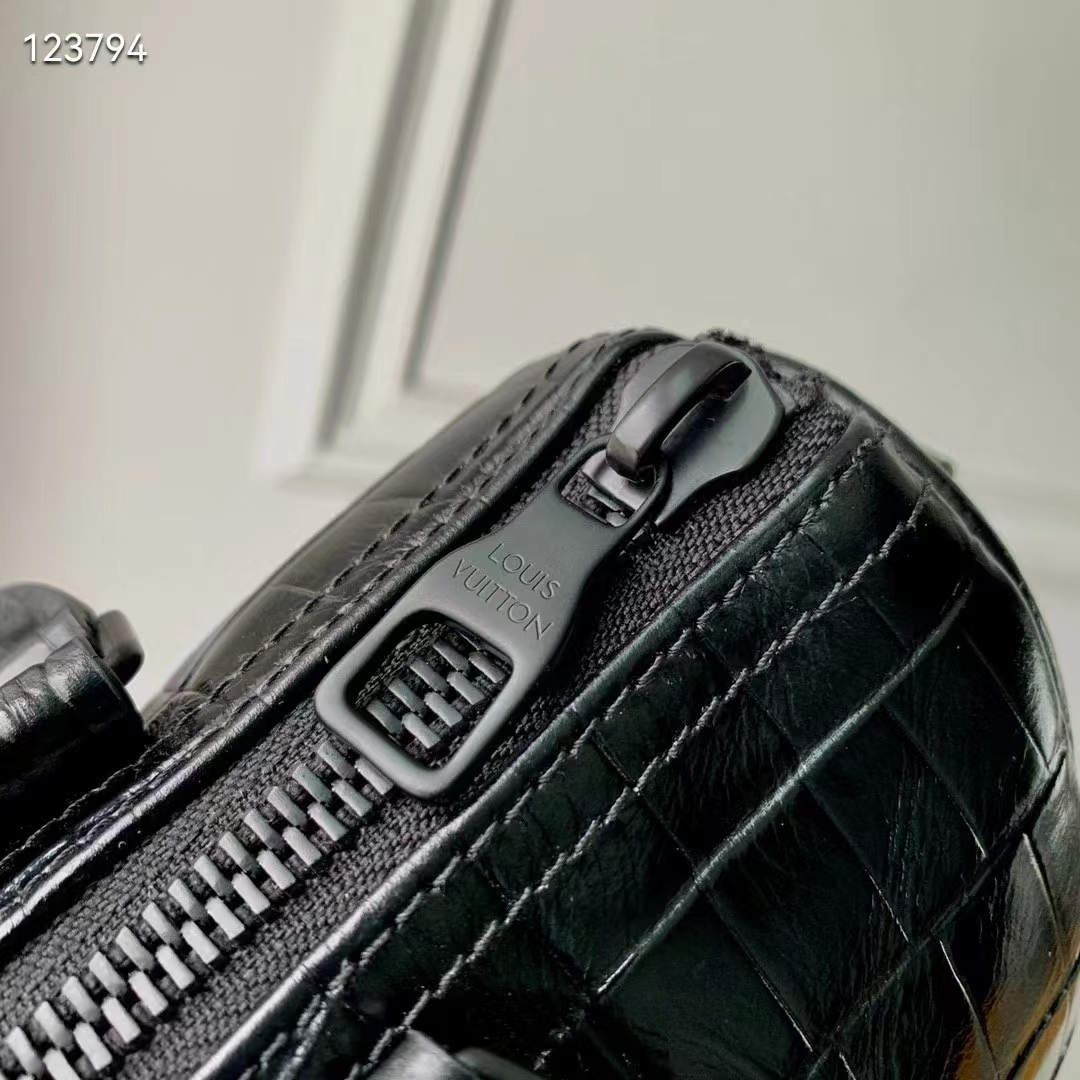
The Rise of Pre-Loved Goods as Fashionable Alternatives
In today's fast-paced world of consumerism, luxury goods are often associated with status and fashion trends. However, as the world becomes increasingly aware of sustainability issues and the importance of environmental conservation, a new trend has emerged: the rise of pre-loved goods as fashionable alternatives to new luxury items.
The concept of buying second-hand goods that are imitated or inspired by luxury designs has become a popular choice for many. This trend has not only caught the attention of consumers seeking affordable fashion but also contributed to the reduction of environmental waste.
The Old Yet Fashionable
The popularity of vintage fashion and second-hand goods is no longer a surprise in modern society. The emergence of online platforms such as eBay, Depop, and Instagram has made it easier for people to buy and sell pre-loved items.
Many shoppers are now turning towards these platforms to find pieces that imitate the design and quality of luxury brands without actually spending on the original. These ‘old-school yet modern’ goods have gained significant popularity, not just because they are affordable but also because they have a unique story and charm that cannot be found in mass-produced new goods.
The Impact on Consumerism
This trend towards buying pre-loved luxury inspired goods is having a profound impact on consumerism. It encourages consumers to think beyond the initial purchase and appreciate the value of second-hand items.
Moreover, it serves as a reminder to shoppers about the environmental implications of excessive consumption. The demand for these products gives rise to second-hand markets, promoting sustainability in fashion and encouraging people to make responsible choices.
A New Kind of Luxe
While the original luxury brands maintain their exalted status, the rise of pre-loved goods has created a new kind of luxe experience. This experience is not just about owning an expensive item but about finding unique pieces that tell a story.
The trend also fosters a community where people can share their experiences, swap goods, and learn from each other. It’s about creating a sustainable wardrobe that not only reflects personal style but also contributes to a larger cause.
Conclusion
The rise of pre-loved goods as fashionable alternatives is not just a trend; it’s a movement that encourages responsible shopping and sustainability. As we move forward, we hope to see more people embrace this concept and make conscious choices that are not only good for them but also for the environment.