French Luxury Replica Logos: Legal, Ethical and Cultural Issues Discussed
French Luxury Replica Logos: Legal, Ethical and Cultural Issues Discussed,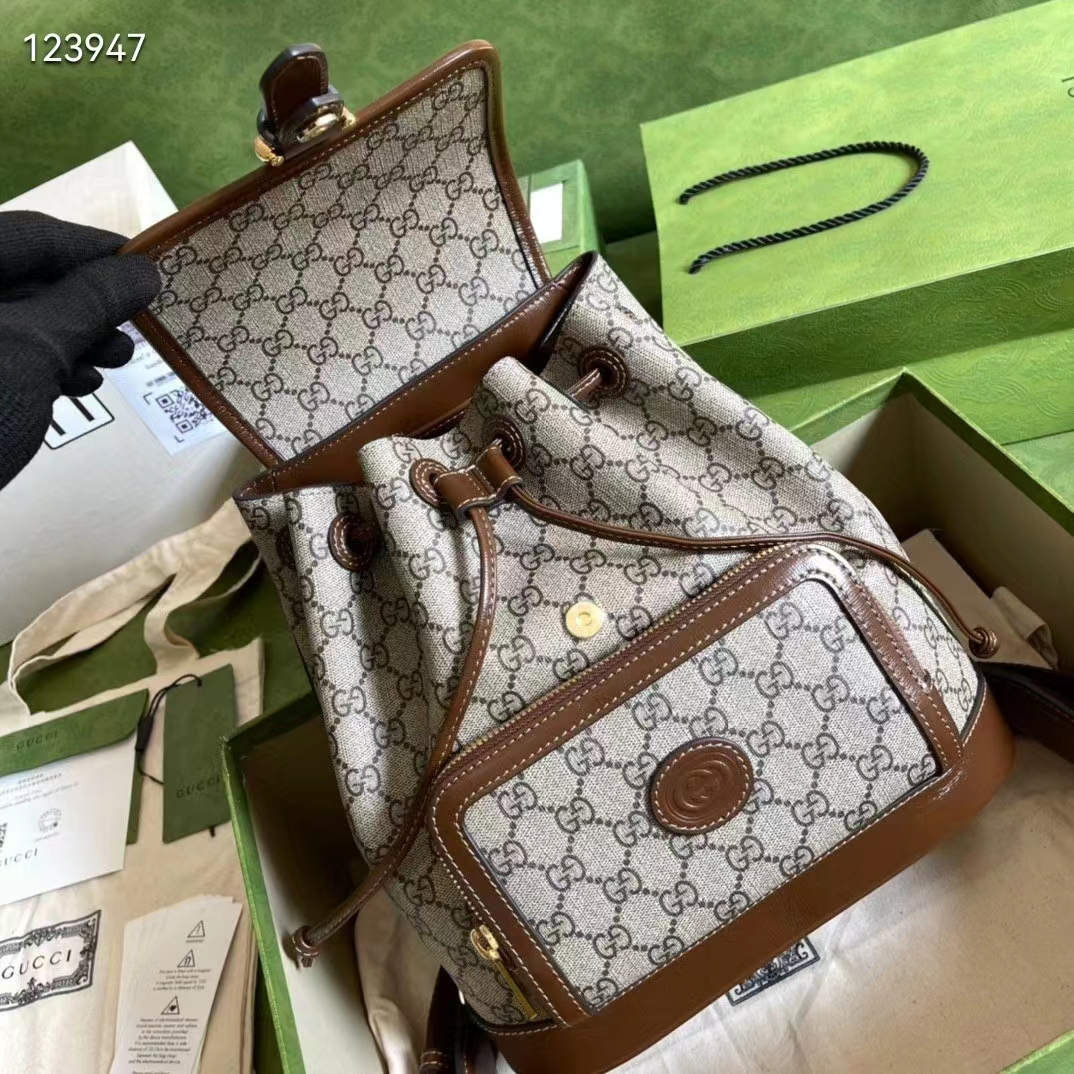
The Controversy Surrounding the Replication of French Luxury Brand Logos
In the realm of high fashion and luxury goods, France holds a prestigious position, with numerous global brands carrying the essence of elegance and quality. From iconic fashion houses to premium leather goods, French luxury brands have long been associated with a symbol of status and sophistication. However, with the rise of counterfeit goods and the proliferation of replica merchandise, the issue of French luxury brand logo replication has become a subject of intense debate.
The replication of luxury brand trademarks poses a twofold challenge. On one hand, it presents an opportunity for consumers who seek the quality and design of these prestigious brands but cannot afford the original products. On the other hand, it poses a significant threat to the luxury brands themselves, eroding their unique identity and potentially causing damage to their reputation.
Impact on Consumers and Brands
For consumers, the availability of replica luxury goods offers an attractive option. Often, these replicas are meticulously crafted and closely resemble the original products. However, while buying replicas may offer an economical alternative, it can also have negative implications. The support of counterfeiting disregards the hard work and creativity of designers and craftsman, who put in significant effort to create unique and luxurious products.
Moreover, for luxury brands, the replication of their trademarks is a significant concern. These brands have spent years building their reputation and image, which is often reflected in their unique logos and designs. The proliferation of replicas can erode this uniqueness and confuse consumers about the authenticity of the brand. In extreme cases, it can also affect the brand's financial standing by diverting customers from purchasing genuine products.
The Legal Perspective
From a legal standpoint, the replication of luxury brand trademarks is highly regulated. Many countries have strict laws in place to protect trademark owners from unauthorized replication. This ensures that the original brands' creativity and effort are not diluted by unauthorized copies.
Moreover, luxury brands themselves take proactive measures to combat trademark replication. They work closely with law enforcement agencies and take legal action against those involved in counterfeiting activities. They also invest in anti-counterfeiting measures, such as using specialized security features in their products, to ensure that consumers can identify genuine products.
Conclusion
The replication of French luxury brand trademarks poses complex issues that need to be addressed from multiple perspectives. While it offers an economic alternative to consumers, it also poses a threat to the brands' unique identity and reputation. Therefore, efforts should be made by all stakeholders - consumers, brands, and law enforcement agencies - to combat trademark replication and ensure that the original brands' creativity and effort are recognized and respected.