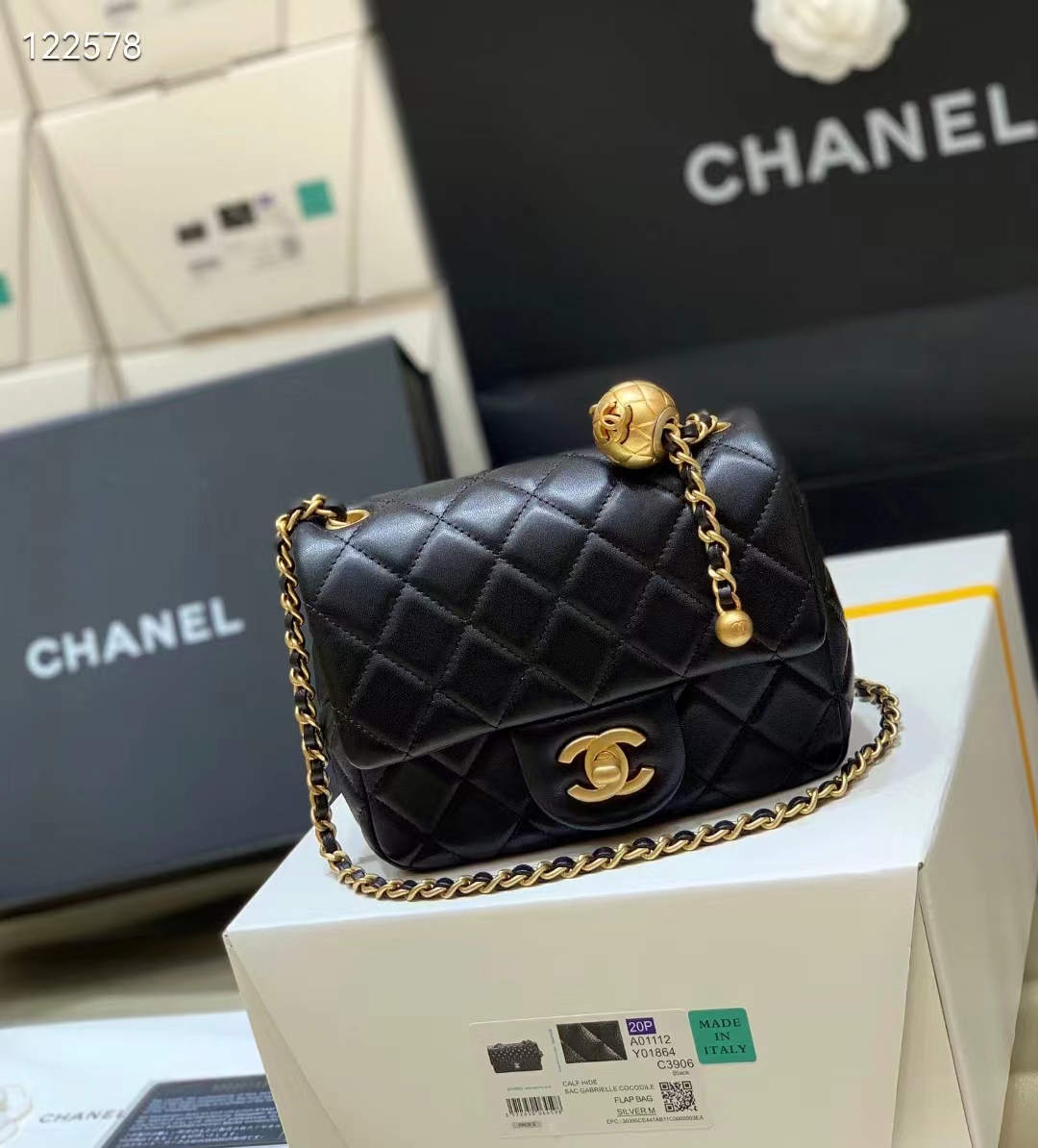
Is One-to-One Replication of Luxury Goods Illegal?
Is One-to-One Replication of Luxury Goods Illegal?,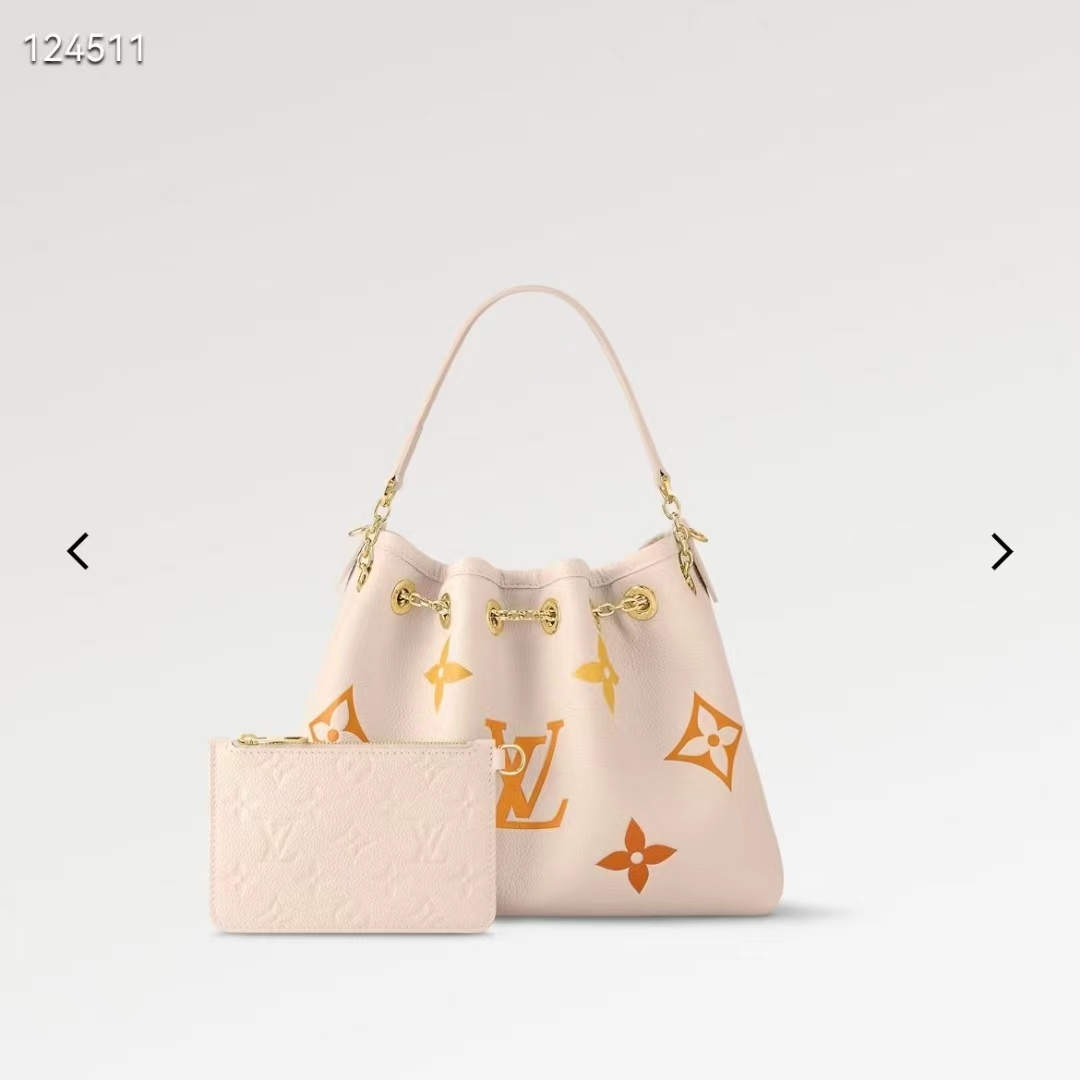
Luxury Goods Replication: Legal and Ethical Considerations
In the realm of fashion and luxury goods, the phenomenon of one-to-one replication has become a hotly debated topic. Such replication involves the production of goods that closely resemble high-end original designs without the official branding or authorization from the original manufacturer. While this practice may offer consumers an affordable alternative to genuine luxury items, it also raises legal and ethical concerns.
Legal Aspects:
From a legal perspective, the legality of one-to-one replication depends on several factors. If the replicated items are produced without infringing on intellectual property rights such as trademarks or copyrights, they may be considered legal. However, if the replicas closely resemble genuine luxury goods and use the same design elements, logos, or other protected intellectual property, it becomes an infringement.
Moreover, depending on the jurisdiction, selling replicated goods may be considered illegal even if there is no direct infringement of intellectual property rights. In some countries, selling replicas is prohibited due to consumer protection laws that aim to prevent misleading consumers about the origin or quality of products.
Ethical and Moral Dilemmas:
Beyond the legal implications, one-to-one replication also poses ethical and moral challenges. On one hand, it provides consumers with access to luxury goods that they may not be able to afford at full price. This can be seen as a form of social justice, enabling people to enjoy the same style and fashion as those who can afford genuine luxury brands.
On the other hand, the practice of replication can hurt the original designers and manufacturers who put in significant effort and investment in creating their designs. By infringing on their intellectual property rights, replicated goods can erode their revenue streams and hurt their creative efforts.
Moreover, the production of low-quality replicas may also have negative impacts on consumers. These products may not offer the same quality, durability, or safety standards as genuine goods. This not only leads to a negative consumer experience but also poses potential risks to users.
Conclusion:
In conclusion, the legality of one-to-one replicated luxury goods is a complex issue that requires a holistic consideration of legal, ethical, and consumer welfare aspects. While it may offer an affordable option to consumers, it is important to strike a balance between protecting consumer interests and respecting intellectual property rights.