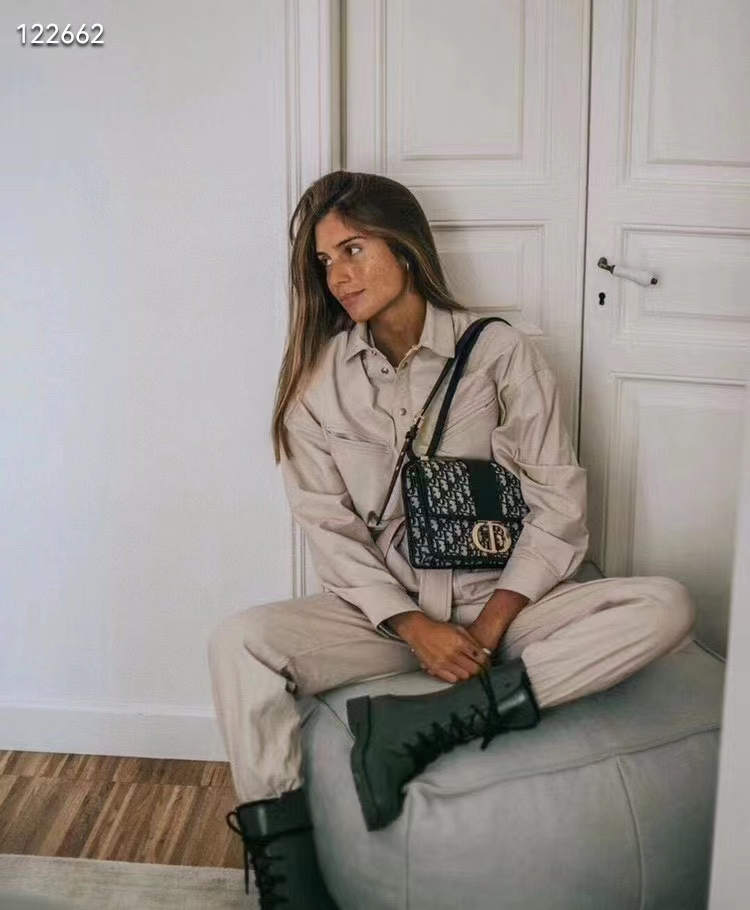
Luxury Goods: One-to-One Allocation and Distribution Strategy
Luxury Goods: One-to-One Allocation and Distribution Strategy,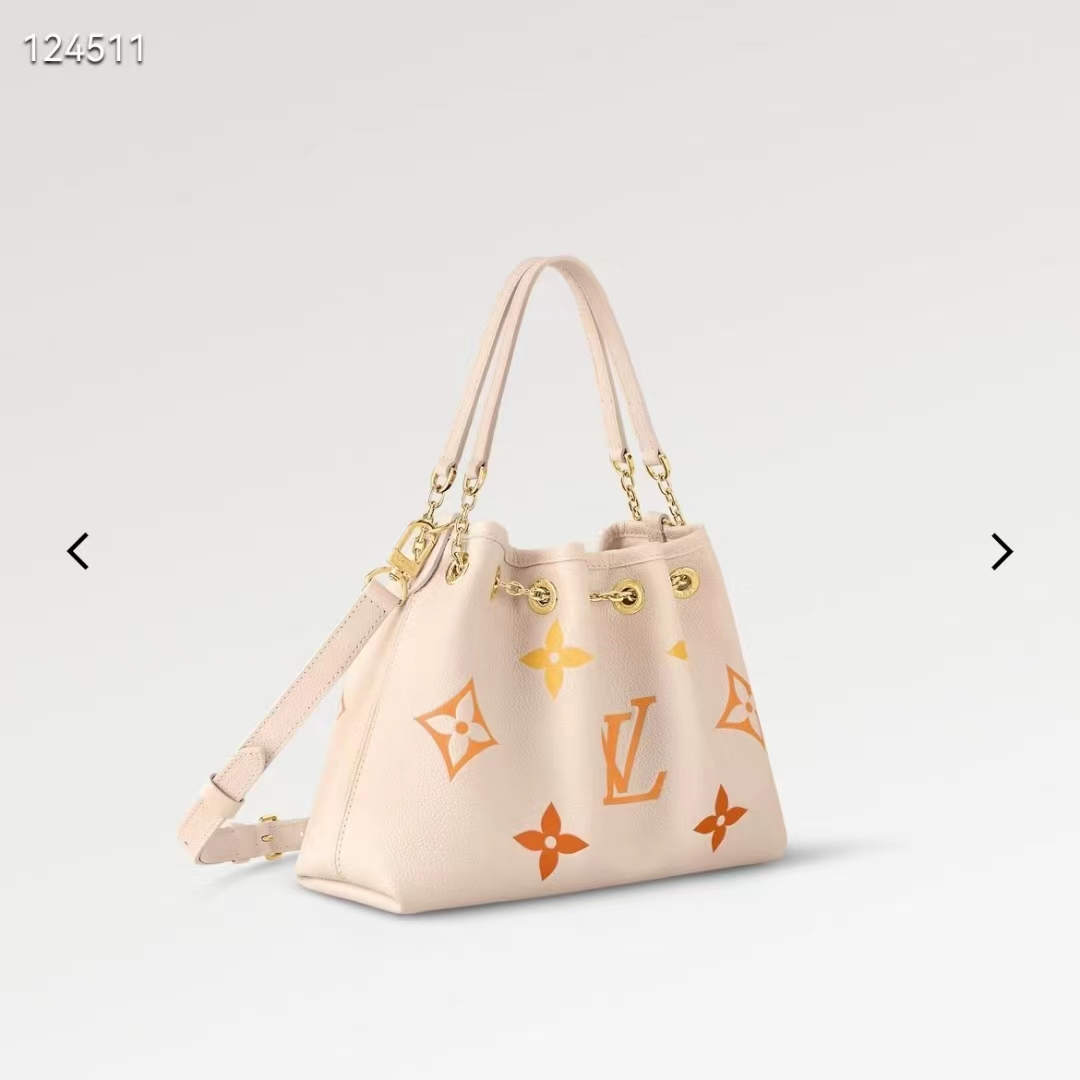
Luxury Goods and the Concept of One-to-One Product Pairing
Introduction
In the realm of luxury goods, the practice of one-to-one product pairing has become increasingly prevalent. This concept refers to the requirement of purchasing additional items or services in order to obtain a desired luxury item in a 1:1 ratio. As consumers seek exclusive and unique experiences, the practice of ‘matching’ or ‘pairing’ luxury goods has become a trend that reflects both status and commitment.
The Nature of One-to-One Product Pairing
In the context of luxury goods, one-to-one product pairing often occurs with high-end purchases that require additional ‘matching’ items to complete the purchase. This could range from high-end fashion brands that require customers to buy specific accessories or shoes to match their handbags, to luxury car brands offering special packages that include matching interior designs or customization options.
This practice is not just about buying more products; it’s about creating a cohesive and exclusive narrative around one’s status and taste. For instance, a customer purchasing a luxury handbag might also have to purchase a matching set of jewelry or a particular type of clothing to complement the handbag. Such pairings are often seen as an extension of brand identity and a reflection of the consumer’s sense of style.
Moreover, this trend is not limited to physical products alone. Luxury brands are increasingly offering experiences as part of their product pairings. For instance, some luxury travel brands might offer exclusive travel packages that include not just hotel accommodation but also dining experiences, cultural tours, and other activities that complement the overall travel experience.
The rationale behind this practice is to create an immersive brand experience that goes beyond the mere ownership of a product. By offering customers a comprehensive package that includes multiple products or services, luxury brands are able to create stronger emotional connections with their customers and build brand loyalists who are willing to pay a premium for such exclusive experiences.
However, this trend also raises questions about consumer psychology and the role of social media in shaping these desires. As social media influencers and celebrities showcase their luxury purchases, fans often emulate their idols by striving for similar experiences and pairings.
In conclusion, one-to-one product pairing in the realm of luxury goods has become a trend that reflects both status and taste. It is not just about purchasing more products but about creating an exclusive narrative around one’s identity and taste. Luxury brands are using this trend to create stronger emotional connections with their customers and offer immersive brand experiences.
However, as this trend continues to evolve, it will be interesting to see how it shapes up in the future and how consumers adapt to this new paradigm in luxury consumption.