"A-Grade Luxury Goods Authentication: The Guide to Identification"
"A-Grade Luxury Goods Authentication: The Guide to Identification",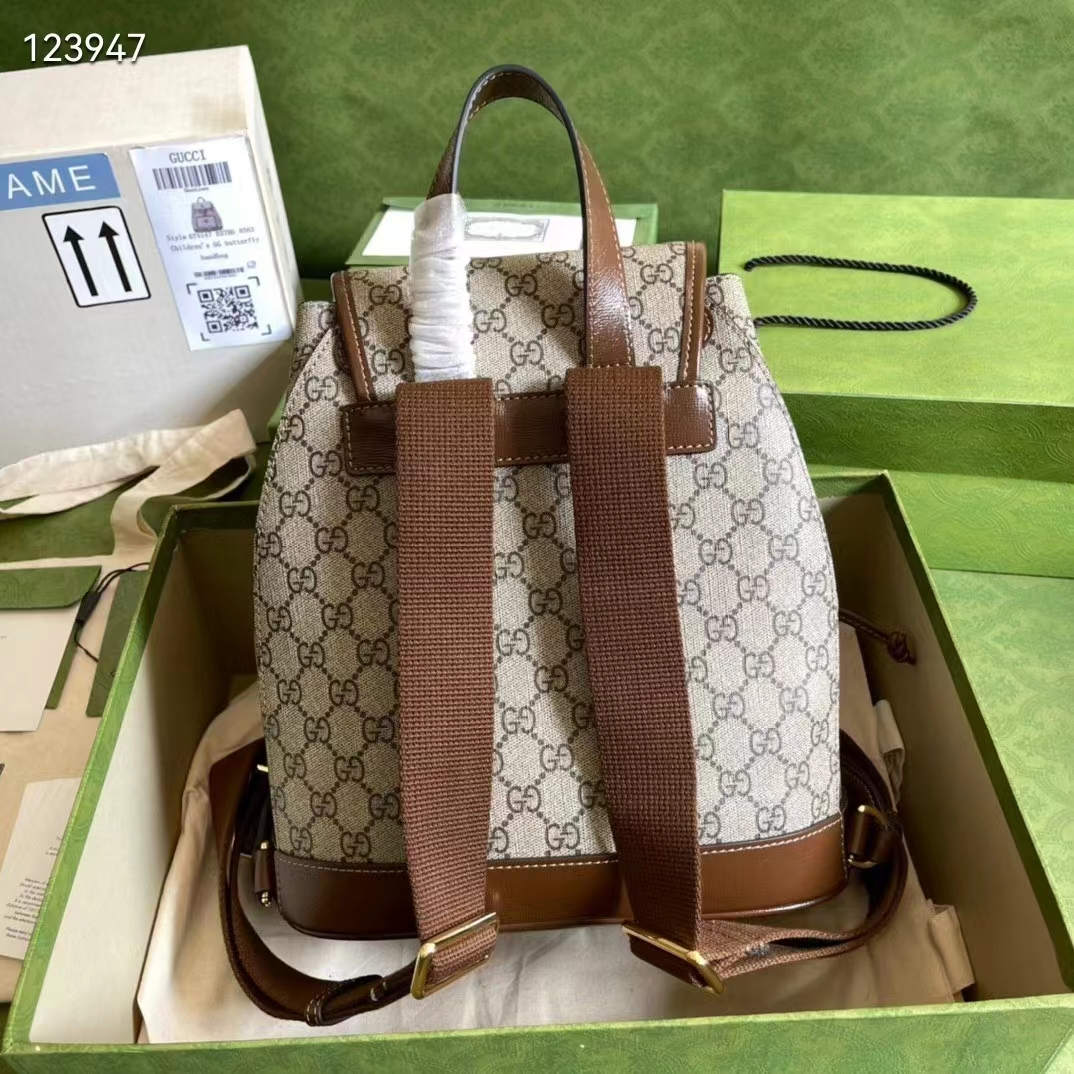
Luxury Goods Identification: Understanding A-Grade Goods
In today's retail market, luxury goods have gained significant popularity and oftentimes present a challenge to authenticate. The rise of A-grade goods, often referred to as "replicas" or "replicas with high quality," has further complicated the issue. A-grade goods are a direct imitation of the original luxury products but may differ in terms of materials used and manufacturing quality.As consumers, it is imperative to gain an understanding of how to identify genuine luxury goods versus A-grade goods to ensure authenticity and avoid purchasing fakes. Here are some key points to consider when authenticating luxury goods:
1. Material Quality
Genuine luxury goods often use high-quality materials such as genuine leather, precious metals, and diamonds. These materials are known for their durability and often have a unique feel or texture. When examining an item, pay attention to the quality of the material and compare it to the brand's standards. A-grade goods may use similar materials but may not offer the same level of quality or craftsmanship.
2. Attention to Detail
Luxury brands pay meticulous attention to detail in their products, from the stitching on a bag to the finish on a watch. Genuine items often have impeccably aligned seams, smooth finishes, and intricate details that are consistent with the brand's standards. In contrast, A-grade goods may have visible imperfections or discrepancies in details that don't align with the original designs.
3. Packaging and Accessories
Genuine luxury goods often come with specific packaging and accessories that match the quality of the product. These packaging materials are often unique and consistent with the brand's branding. A-grade goods may include imitation packaging or omit key components, revealing their non-original status. Understanding a brand's original packaging and accompanying items can help in authentication.
4. Price Considerations
Luxury goods often come with a premium price tag that reflects their quality and brand value. If an item is priced significantly lower than the genuine product, it may be an indication that it is not genuine. However, it's important not to solely rely on price as some A-grade goods may be priced higher to imitate genuine products.
Conclusion:
Authenticating luxury goods requires a combination of knowledge, attention to detail, and comparison to genuine products. Understanding the characteristics of genuine goods, paying attention to material quality, details, packaging, and price considerations can help consumers make informed decisions when purchasing luxury items.
Understanding the intricacies of A-grade goods and how they differ from genuine luxury goods is essential for ensuring authenticity and avoiding purchasing fakes. As consumers become more aware of these differences, they are better equipped to make informed decisions in the retail market.