Luxury Bag Replicas Sales: Illegal and Unlawful Behavior
Luxury Bag Replicas Sales: Illegal and Unlawful Behavior,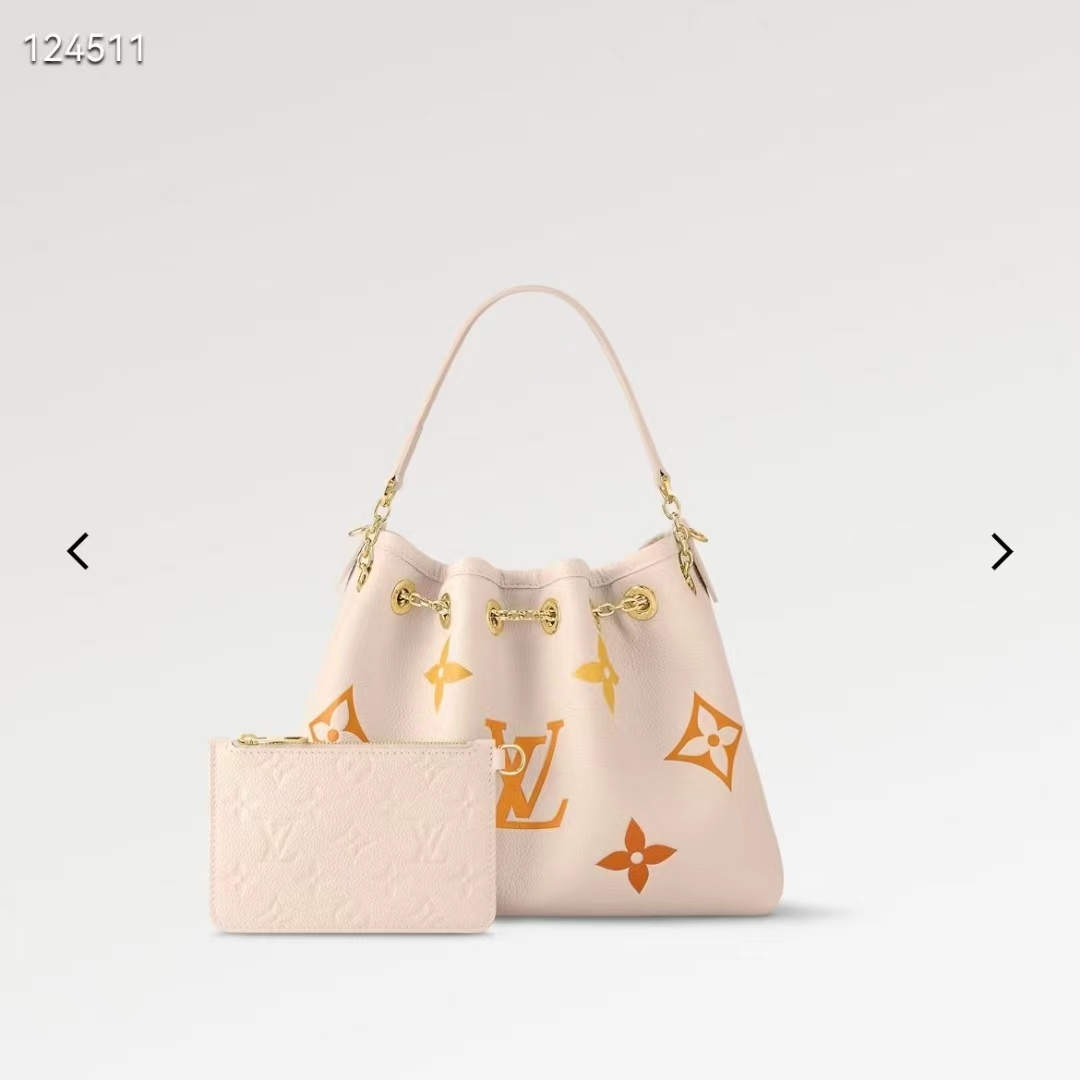
**Luxury Bag Replication Sales: Legal or Illegal?**
Introduction
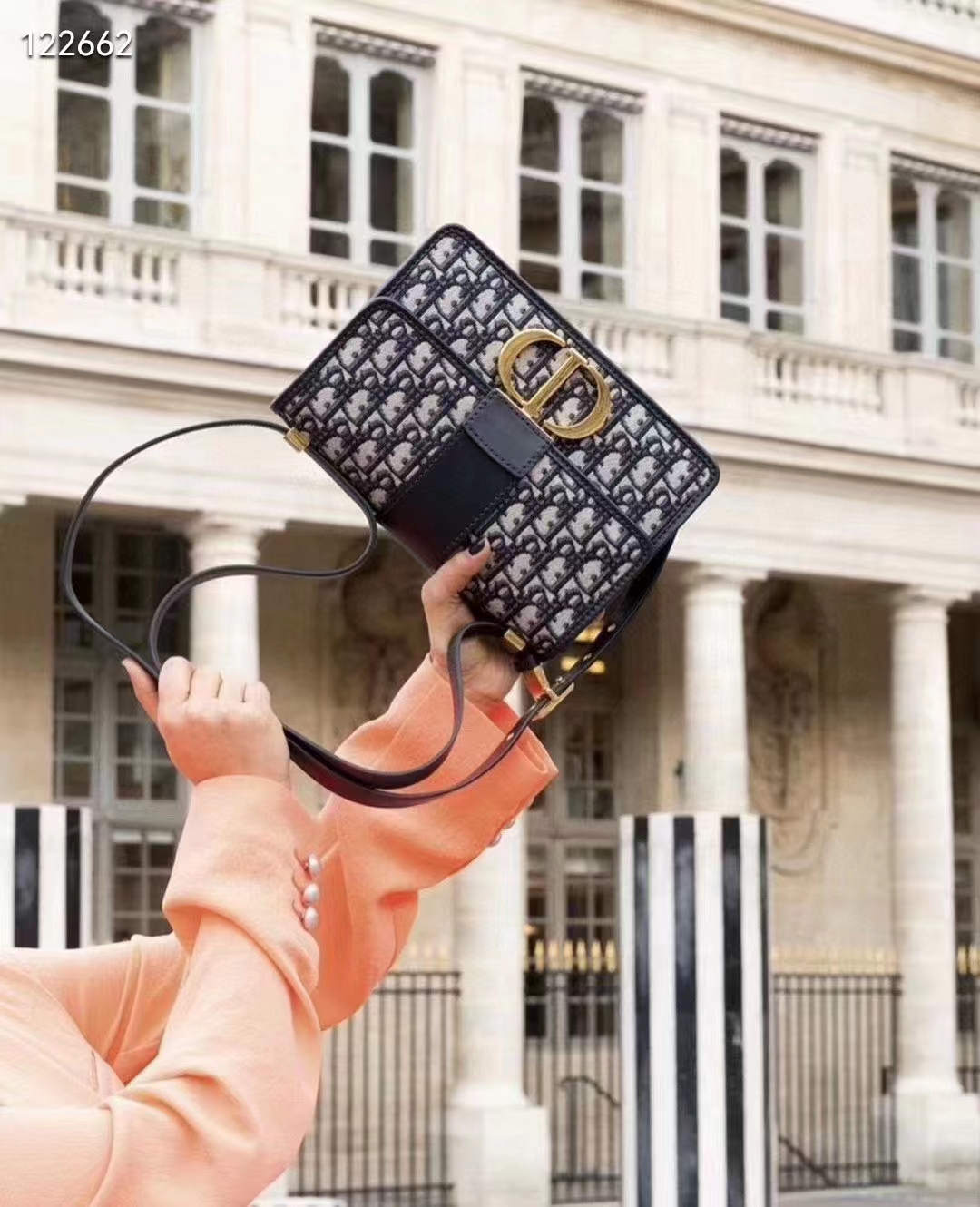
In the world of high-end fashion, the sale of replica luxury bags has become a controversial issue. These replica bags often closely imitate the designs and quality of genuine luxury brands, but at a lower price point. While this practice may offer consumers an affordable option, it also crosses a legal threshold, and understanding the legal implications is crucial.Firstly, it is important to recognize the intellectual property rights at play. Luxury brands invest significant time, effort, and resources into designing unique and attractive bag models. Their patterns, designs, and logos are protected by copyright and trademark laws. Reproducing these designs without the brand's authorization is a violation of these legal protections.
Moreover, the sale of replica bags can also affect the reputation of luxury brands and their genuine products. When customers purchase replicas expecting genuine quality, they may encounter poor craftsmanship or materials that do not meet the brand's standards. This not only causes dissatisfaction but also undermines the value and reputation of the original brand.
Legal Implications of Selling Replica Luxury Bags
The legal sale of luxury bags requires authorization from the brand owners. Replicating these bags without such authorization is illegal and can result in legal action. In many countries, the sale of counterfeit or replica products is a criminal offense that can lead to fines and even imprisonment.
Furthermore, even if the replica bags are produced with high quality and are close to the original in appearance, this does not justify their sale without proper authorization. Copying designs without permission not only violates intellectual property rights but also encourages unfair competition and undermines the efforts of the original designers.
Moreover, buying and selling replica bags can also have negative impacts on consumers. Uninformed buyers may purchase replicas as genuine products, leading to financial losses and a false perception of the luxury market. In addition, the practice of selling replicas may encourage a culture of short-term gains over long-term investments in genuine quality.
Conclusion
In conclusion, the sale of replica luxury bags is illegal and poses several issues, including intellectual property violations, damage to brand reputation, and negative impacts on consumers. While replicas may offer an affordable option to some consumers, it is crucial to understand their legal risks and impacts on both individual brands and the overall market. Promoting genuine luxury goods and awareness about intellectual property rights are essential to safeguard the interests of designers, brands, and consumers.