Luxury Brands Overrun with A-Grade Replicas
Luxury Brands Overrun with A-Grade Replicas,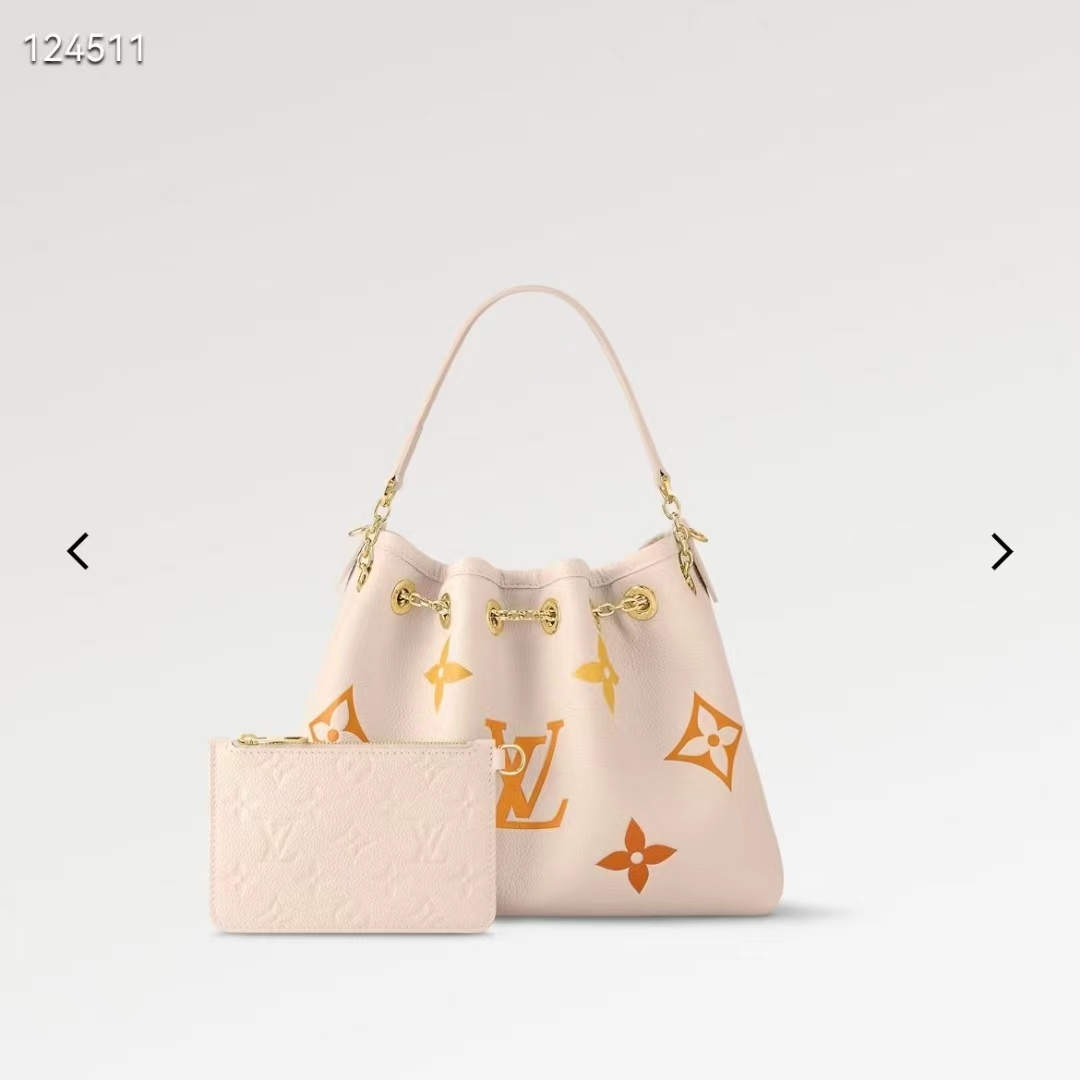
Luxury Brands: The Proliferation of A-Grade Goods
In the contemporary world of consumer culture, luxury brands have attained an exalted status, reflecting the best of design, quality, and craftsmanship. However, the phenomenon of A-grade goods—or replicas that closely resemble genuine luxury products—has become increasingly prevalent in this market segment. This issue touches on both the challenges and opportunities facing luxury brands.
The Rise of A-Grade Goods in Luxury Brands
The term "A-grade goods" refers to replicas of luxury products that are designed to mimic the genuine items with great attention to detail. These goods often share similar features and quality standards, making them highly attractive to consumers. With the advent of technology and the growth of e-commerce, the availability of such products has soared.
The proliferation of A-grade goods within luxury brands has presented both challenges and opportunities. As these replicas often offer a more affordable entry point into the luxury market, they attract a younger consumer base. However, the influx of these goods poses a significant threat to the authenticity and reputation of luxury brands.
The challenge for luxury brands lies in maintaining their exclusive status while staying true to their commitment to superior quality. Combating the prevalence of A-grade goods means embracing transparency and enhancing consumer education about the difference between genuine and replica products.
Strategies for Luxury Brands to Counter A-Grade Goods
Firstly, luxury brands need to focus on strengthening their brand values and heritage. By highlighting their unique stories of craftsmanship and quality, they can create a more significant sense of authenticity and desire among consumers.
Secondly, collaborations with influencers and celebrities can help amplify the message about genuine products. By engaging with key figures in society, luxury brands can create a more targeted outreach to potential customers, educating them about the authenticity and value of their merchandise.
Moreover, adopting advanced anti-counterfeiting measures is crucial. Implementing unique identification systems like serial numbers, holograms, or secure packaging can help combat the production and sale of A-grade goods. Leveraging technology like blockchain can also provide transparency and traceability throughout the supply chain.
Conclusion
In conclusion, the proliferation of A-grade goods within the luxury brand market has created a complex landscape for luxury brands to navigate. By focusing on brand values, collaborations, and anti-counterfeiting measures, these brands can protect their authenticity and reputation while attracting new consumers to their exclusive world.