Top-Tier Soft Packaging Processes and Their Types Explored
Top-Tier Soft Packaging Processes and Their Types Explored,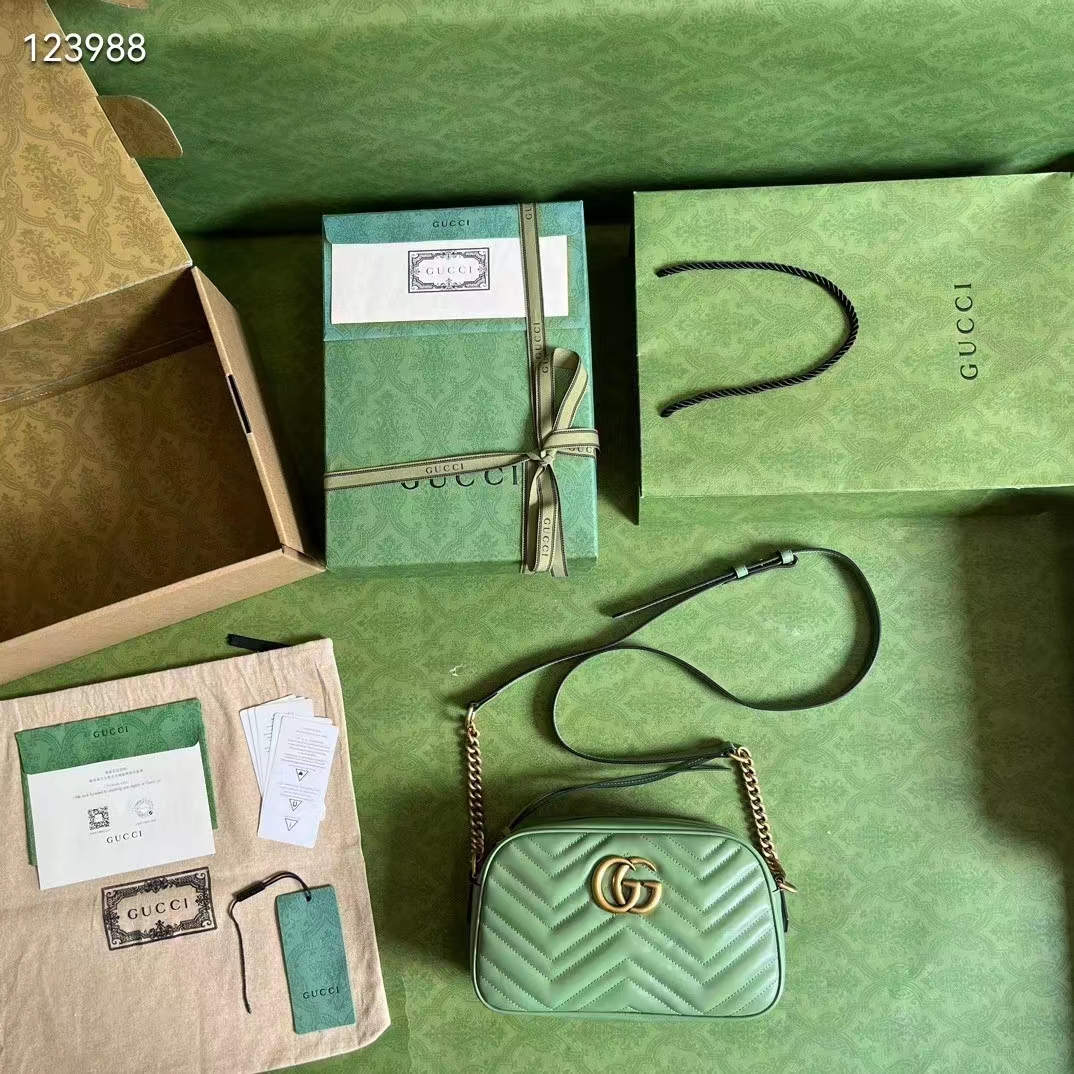
**Top Soft Packaging Processes and Their Types**
Introduction
In the realm of packaging, soft packaging has attained significant importance due to its versatility and innovative designs. It not only enhances the visual appeal of products but also ensures protection during transportation and storage. The top-tier soft packaging processes involve intricate techniques that combine modern technology with traditional craftsmanship, resulting in a range of captivating styles and finishes.One such process is the utilization of high-end printing techniques. Digital printing and offset printing are two widely employed methods that enable vibrant colors and high-resolution images to be printed on soft packaging materials. These techniques are particularly useful for printing complex designs and intricate patterns that enhance the overall aesthetic appeal of the packaging.
Soft Packaging Processes
Another top-tier process involves the use of advanced materials in soft packaging. Biodegradable and recyclable materials are increasingly being employed to create eco-friendly packaging solutions. These materials not only ensure sustainability but also provide enhanced strength and durability to the packaging, ensuring safe transportation of products.
Moreover, top-notch soft packaging also involves advanced finishing techniques. Hot stamping, a process that involves the application of heat and pressure to apply a decorative foil or ink, is often used to create a luxurious finish. Other finishing techniques like embossing, debossing, and UV coating add depth and texture to the packaging, enhancing its visual impact.
Furthermore, custom soft packaging often incorporates advanced manufacturing techniques like three-dimensional (3D) printing and cutting. These techniques enable the creation of complex shapes and structures that are not possible with traditional methods. 3D printing allows for the integration of intricate designs and intricate details into the packaging, making it more engaging for consumers.
Conclusion
Soft packaging has come a long way, incorporating various top-tier processes to create captivating and sustainable solutions. The range of techniques employed in soft packaging today is vast, from high-end printing techniques to advanced materials and finishing techniques. These processes not only enhance the visual appeal of the packaging but also ensure durability and sustainability, making them an ideal choice for product manufacturers. With continued innovation and advancements in technology, soft packaging is poised to continue evolving and bringing forth new styles and finishes that captivate consumers' attention.