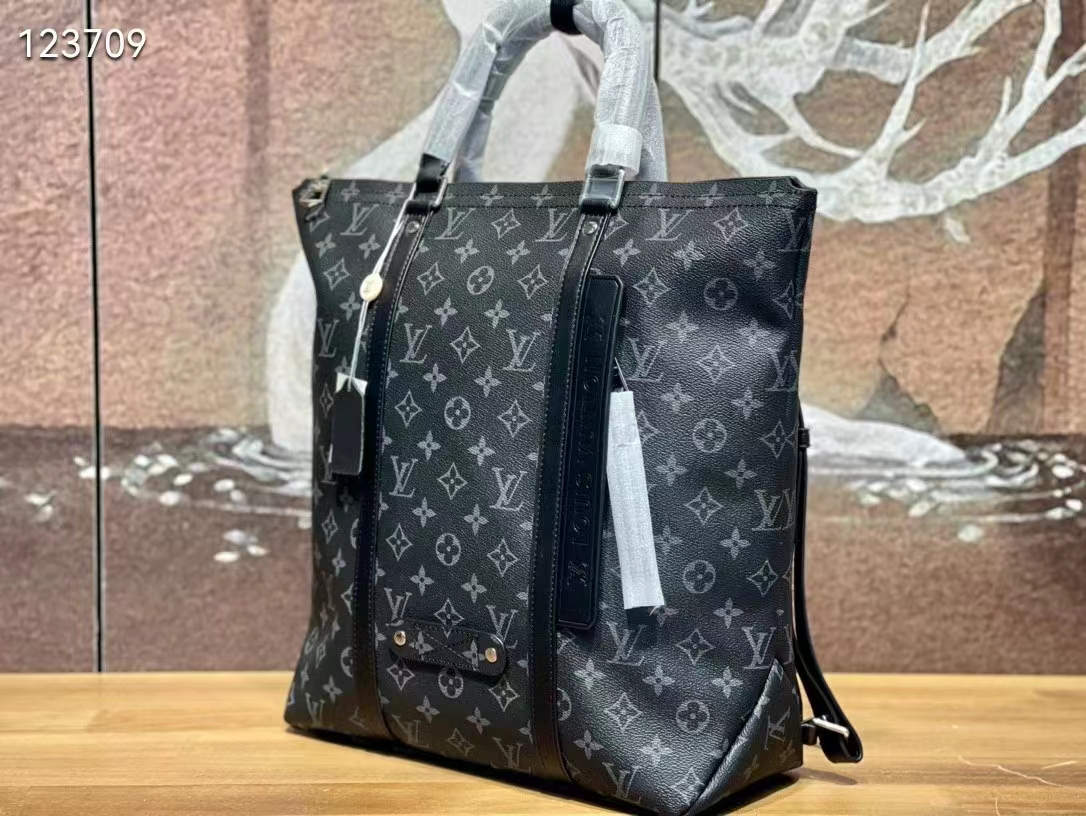
Is Replicating Luxury Goods Illegal?
Is Replicating Luxury Goods Illegal?,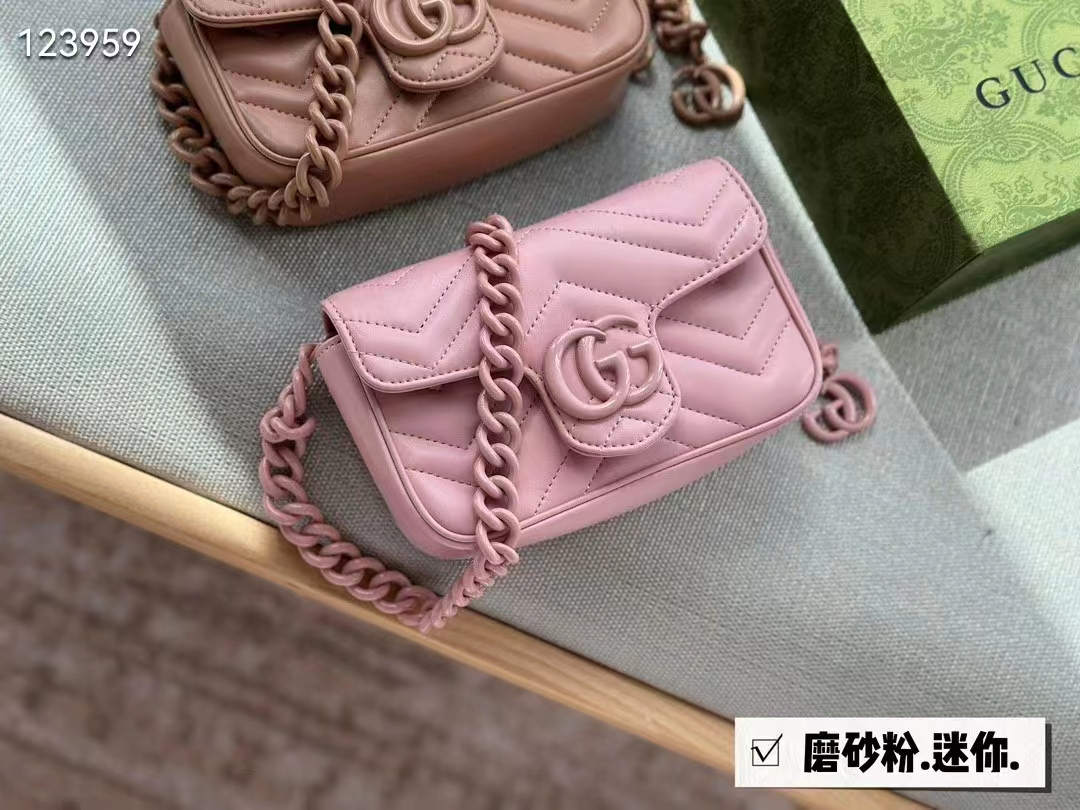
Is Replicating Luxury Goods Illegal?
In the realm of fashion and luxury goods, the question of whether replicating luxury items is illegal often arises. The answer to this question is not straightforward and depends on several factors.
Firstly, it is important to understand the legal distinction between replica and counterfeit products. A replica typically refers to a high-quality imitation of a luxury item that is made to resemble the original design. If the replica does not infringe on any intellectual property rights, such as trademark or copyright, then it may not be considered illegal.
Legal Considerations
However, the legality of replicas becomes complex when intellectual property rights are concerned. Luxury brands often hold exclusive rights to their designs, logos, and other aspects of their products. Reproducing these items without proper authorization constitutes copyright infringement or trademark violation.
Moreover, some countries have specific laws against the production and sale of replica goods. In these cases, even if a replica is of high quality and does not directly harm the reputation of the original brand, its sale may still be considered illegal.
Gray Area of the Law
There is also a gray area in the legal definition of replicas, especially when it comes to parallel imports or second-hand luxury goods. Parallel imports are genuine products made by the brand but imported into another country without authorization from the brand owner. These may sometimes be sold as replicas, even though they are genuine products.
Similarly, second-hand luxury goods can sometimes be sold as replicas if their authenticity cannot be verified. In these cases, the legal status becomes even more complex as it involves issues like consumer protection and fair trading practices.
Conclusion
In conclusion, whether replicating luxury goods is illegal depends on several factors, including the quality of the replica, whether it infringes on intellectual property rights, and the laws of the country in which it is being sold. While some countries may have clear laws against selling replicas, others may have more lenient regulations.
Consumers should be cautious when purchasing replica goods as they may not only be buying illegal products but also risk buying low-quality items that may not last long or may not be safe.
Moreover, luxury brands and retailers should also be vigilant in protecting their intellectual property rights and ensuring that their products are not being unlawfully replicated or sold as such.
Ultimately, the legality of replica luxury goods is a complex issue that requires a balance between consumer rights, intellectual property protection, and fair trading practices.