Market Regulation's Penalty on Fake Brand Bags.
Market Regulation's Penalty on Fake Brand Bags.,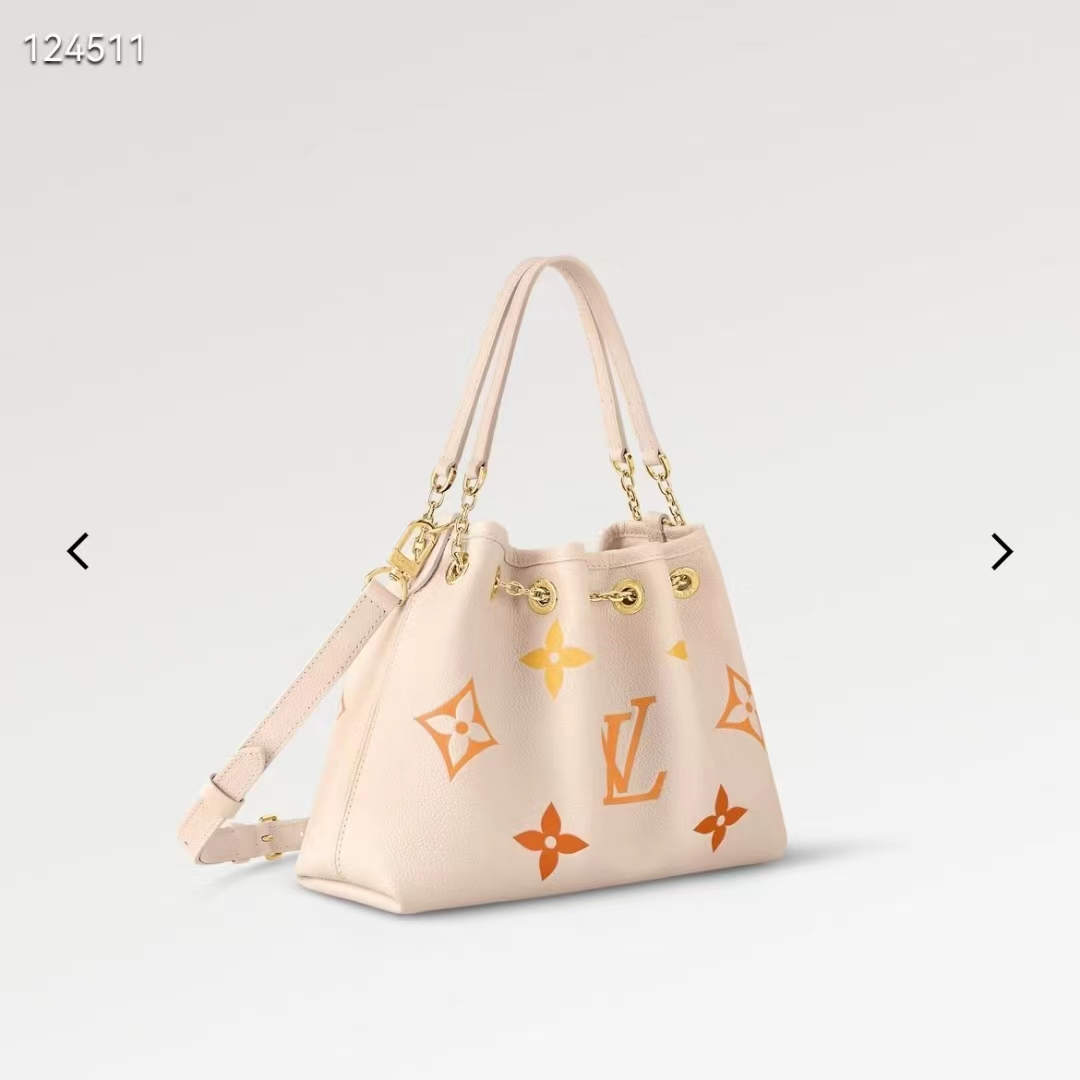
**Market Regulation and Penalties on Fake Designer Bags**
Introduction
In the contemporary retail landscape, the proliferation of counterfeit goods has become a significant challenge for market regulators worldwide. One particularly prevalent example is the sale of fake designer bags, which not only infringes on the intellectual property rights of legitimate brands but also poses a threat to consumer welfare and fair competition within the market.
Market Regulation Measures
Market regulators have been proactive in implementing strict regulations against the sale of imitation bags to protect consumer interests and maintain market integrity. Measures range from carrying out periodic inspections at retail outlets to heightened scrutiny on online e-commerce platforms. The identification and seizure of such goods are paramount in these efforts.
Moreover, penalties for selling fake bags have been strengthened. This includes financial penalties, as well as potential legal consequences for those involved in the production and distribution chain. Governments are also encouraging brand owners to actively collaborate with regulatory authorities in identifying and shutting down illegal manufacturing units.
Furthermore, awareness campaigns are launched to educate consumers about the risks associated with buying fake bags. Consumers are encouraged to be vigilant and make informed choices when purchasing luxury goods, recognizing the signs of genuine products versus fakes.
Penalties for Selling Fake Bags
The penalties for selling fake bags vary depending on the regulations in place and the gravity of the offense. Typically, sellers found guilty of selling counterfeit goods may face civil fines, which act as a financial disincentive to deter such activities.
In addition to financial penalties, there may be legal implications, including potential imprisonment for those involved in more serious cases of intellectual property infringement. This serves as a reminder to all market participants that engaging in such activities will not be tolerated.
Conclusion
In conclusion, market regulators are committed to enforcing laws and regulations that protect consumers and ensure fair competition within the retail industry. The penalties associated with selling fake bags reflect this commitment and act as a deterrence to those who seek to profit from illegal activities. Simultaneously, awareness campaigns empower consumers to make informed purchasing decisions, further safeguarding the market from such illicit practices.
As market regulators continue to strengthen their efforts, there is hope that the retail landscape will become increasingly free from counterfeit goods, ensuring both consumer satisfaction and brand integrity.