Is It Illegal to Help Others Distribute Fake Brand Bags?
Is It Illegal to Help Others Distribute Fake Brand Bags?,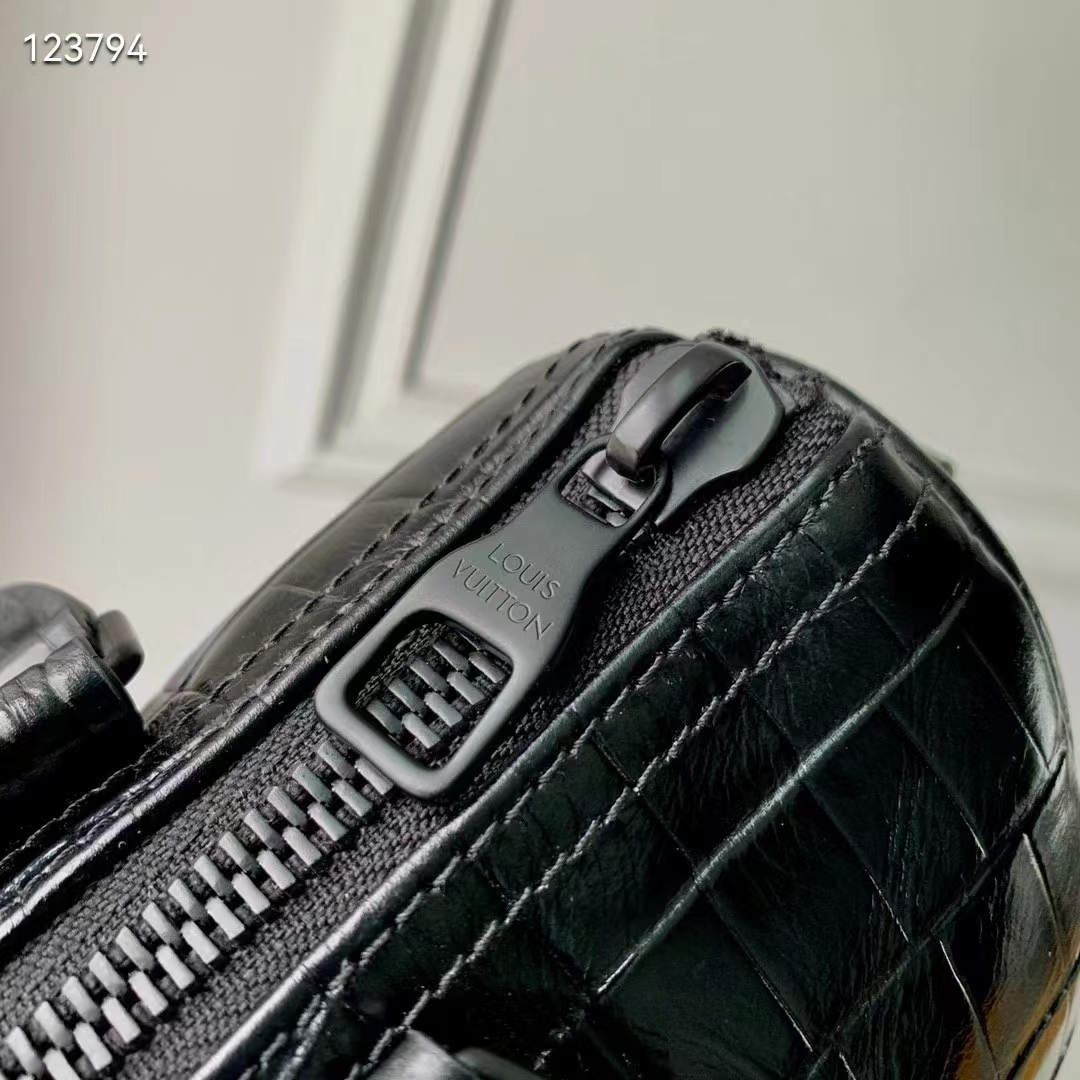
Helping Others to Distribute Fake Brand Bags: Legal or Illegal?
In today's global marketplace, the issue of intellectual property rights and trademark infringement has become increasingly significant. The sale and distribution of counterfeit or imitation products, especially those involving famous brands, have become a gray area in many legal discussions. Among such products, fake brand bags are particularly prevalent, and the question often arises whether helping others to distribute such items is legally permissible or not.
The Legal Perspective:
The legal stance on helping others distribute fake brand bags is quite clear. From a legal perspective, trademark infringement is a serious offense that involves violating the intellectual property rights of brand owners. Engaging in activities like selling, distributing, or even aiding in the distribution of such items is considered illegal. Such actions can lead to legal consequences ranging from civil lawsuits to criminal charges.
The consequences can be even more severe when such activities are done on a larger scale or if the counterfeit products cause significant harm to the brand owner's reputation and business. In addition, individuals involved in such activities may face fines, imprisonment, or even both.
The Moral and Social Implications:
Beyond the legal implications, there are also moral and social implications to consider when it comes to helping others distribute fake brand bags. From a moral standpoint, it is unethical to aid in the distribution of counterfeit items that infringe on the intellectual property rights of others. Such actions not only harm the brand owners but also deceive consumers into buying inferior-quality products that may not meet safety standards.
Moreover, the social implications are also concerning. The proliferation of fake brand bags can undermine fair competition in the market, affecting legitimate businesses and causing job losses. Furthermore, it can encourage other businesses to engage in similar fraudulent activities, leading to a decline in overall market integrity.
Conclusion:
In conclusion, helping others distribute fake brand bags is not only illegal but also unethical and has significant social implications. As consumers and members of society, we should be vigilant and avoid participating in any activities that involve the distribution of counterfeit items. We should also support and encourage genuine businesses and ensure that we are buying genuine products that uphold quality and safety standards.
Moreover, it is essential to be aware of our actions and not be lured into aiding such illegal activities by promises of financial gains. We should respect intellectual property rights and support fair competition in the market to ensure a healthy and sustainable economy.