Water-Wrapped Stone Simulation Design Images
Water-Wrapped Stone Simulation Design Images,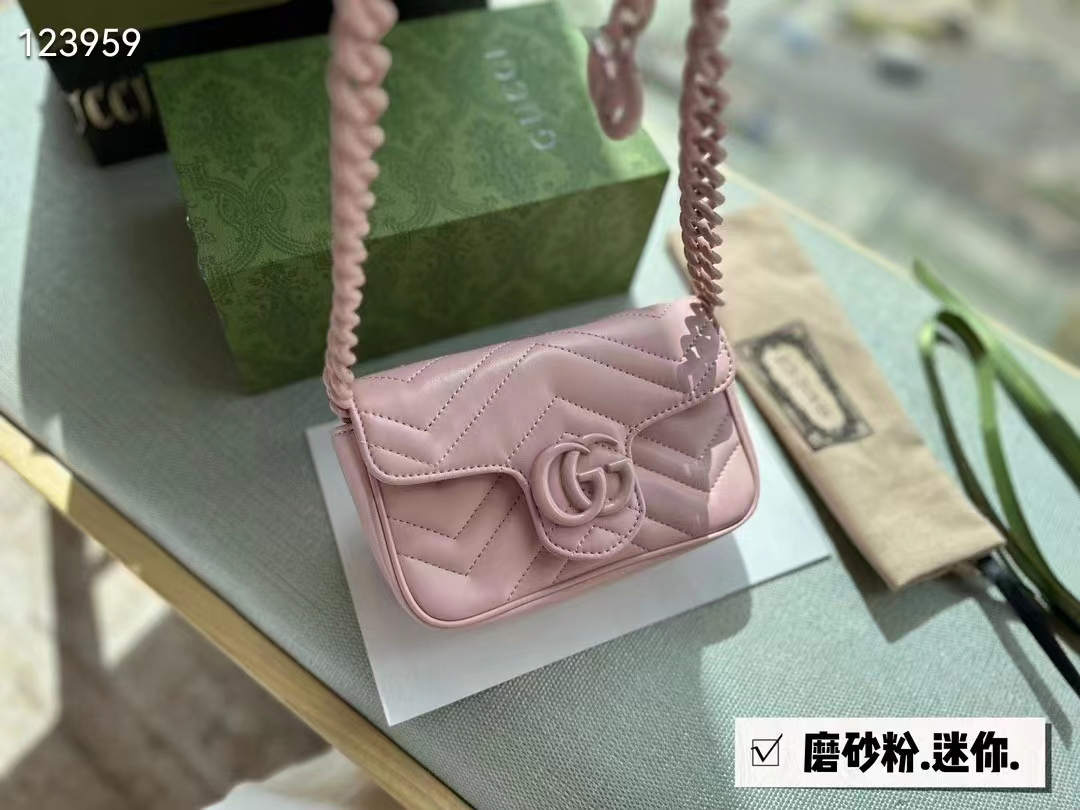
Water-in-Water Simulation Stone Effect: Design and Implementation
In the realm of modern architecture and design, the quest for innovative materials and techniques to achieve authentic yet distinctive aesthetics continues to grow. One such technique that has gained significant attention in recent years is the water-in-water simulation stone effect. This approach aims to replicate the natural beauty of stones, incorporating both their visual elegance and durability.
Understanding the Water-in-Water Simulation Stone Effect
The water-in-water simulation stone effect involves using specialized techniques to create a visual appearance that mimics natural stones. Through a combination of materials science and design innovation, this technique manages to replicate the unique texture, color, and even the subtle veining of real stones. The process involves using water-based coatings that are applied in layers, each layer simulating different aspects of the stone's surface.
The effectiveness of this technique lies in its ability to replicate not just the surface texture but also the interaction of light with the material. By carefully controlling the composition of the coatings and the application process, designers can achieve a highly realistic three-dimensional effect that mimics the way light reflects and refracts on real stones. This not only enhances the aesthetic appeal of the surface but also adds to its durability and longevity.
The use of water-in-water simulation in creating stone effects has numerous advantages. It allows for greater flexibility in design, as it becomes possible to achieve a wide range of stone finishes without the need for actual stones. This not only reduces costs but also opens up a world of possibilities in terms of customization. Furthermore, these simulated stones are more sustainable and environmentally friendly, as they do not require the extensive mining and processing that natural stones do.
In addition to its aesthetic and sustainability benefits, the water-in-water simulation technique also offers practical advantages. The coatings used are highly durable and resistant to wear and tear, making them suitable for high-traffic areas. They are also easy to maintain and clean, further adding to their practicality in various applications.
Conclusion:
The water-in-water simulation stone effect is a pioneering technique that combines innovation and aesthetics to create stunning designs. Its ability to replicate the beauty and authenticity of natural stones, combined with its flexibility, sustainability, and durability, makes it a highly attractive option for modern architecture and design.
As this technique continues to evolve and gain popularity, we can expect to see more innovative uses of it in various applications, from interior design to exterior architecture, adding a touch of elegance and uniqueness to spaces.