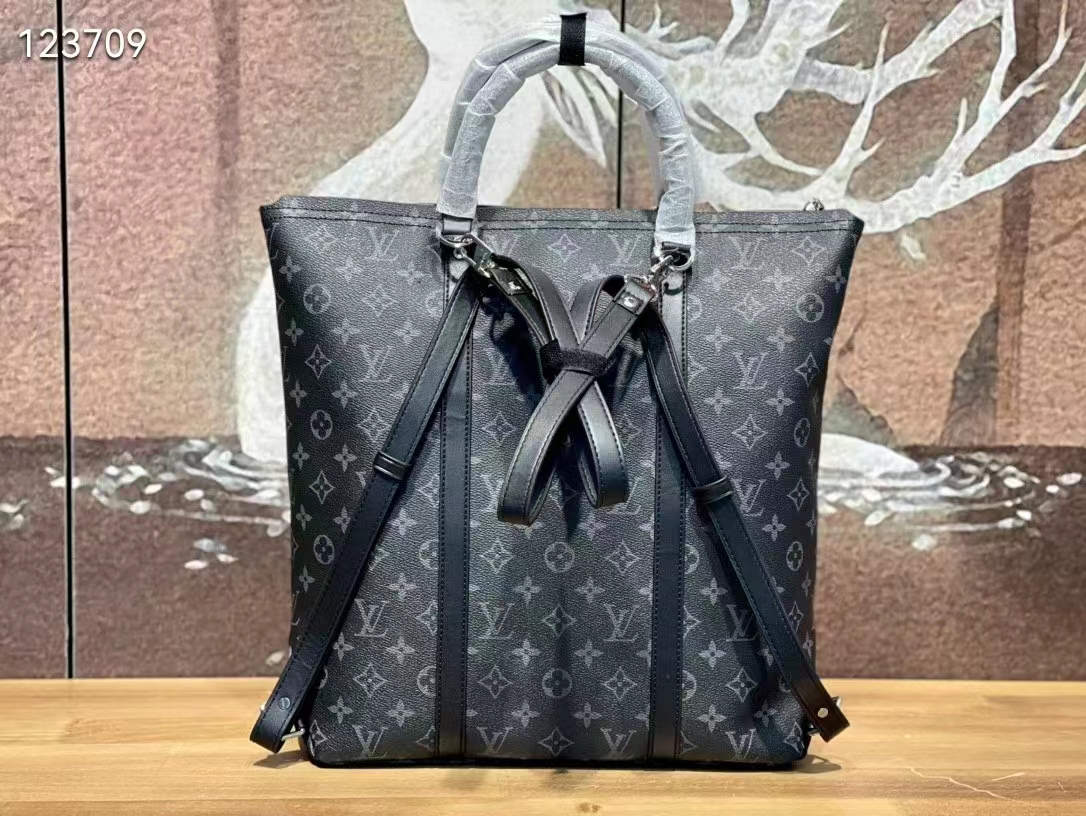
Is Selling Replica Bags Illegal?
Is Selling Replica Bags Illegal?,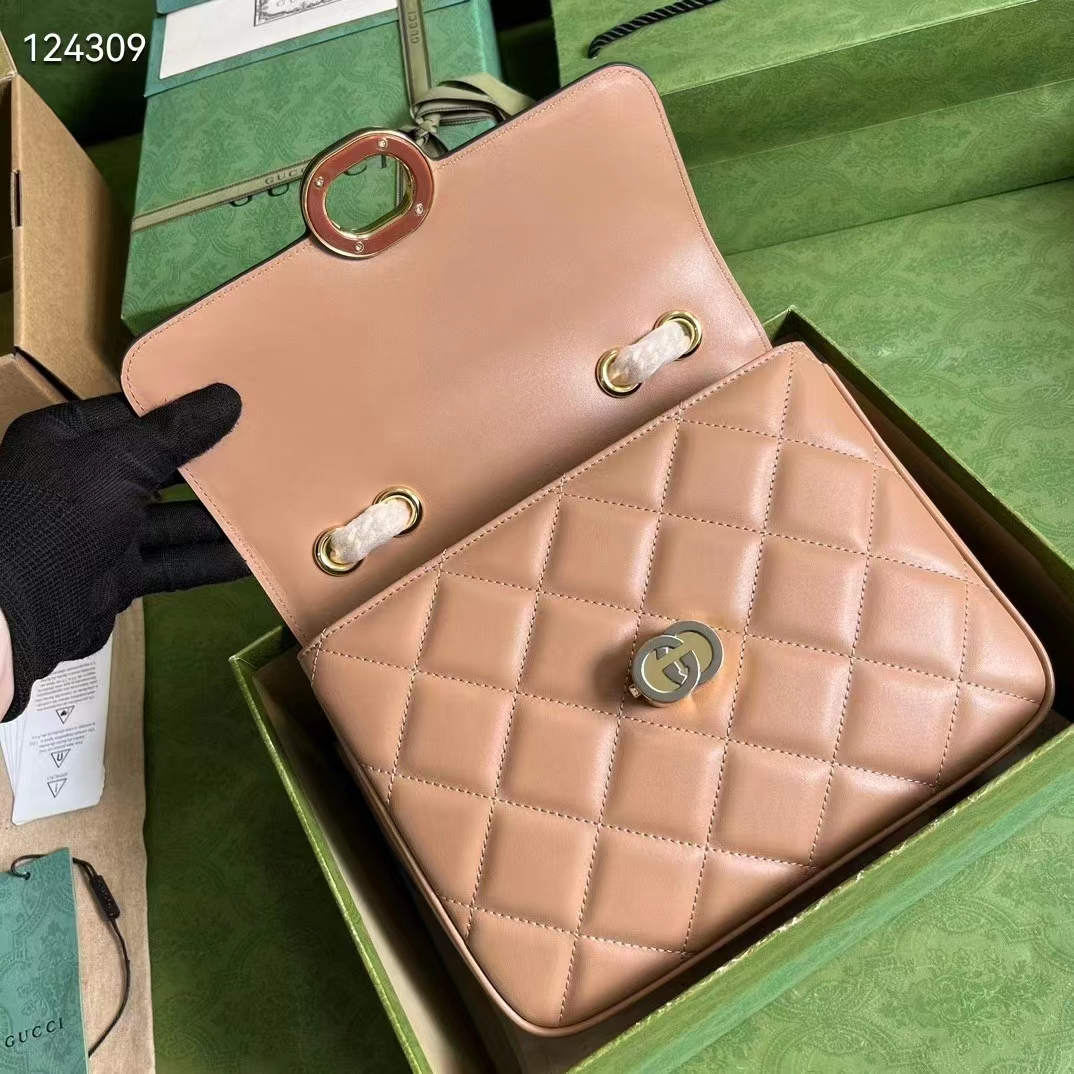
The Legal Aspects of Selling Fake Bags
In today's world of luxury goods and consumer culture, the sale of replica bags has become a prevalent phenomenon. These bags are often designed to imitate the appearance of high-end branded bags, often with striking similarity to the original designs. However, selling these fake bags is not without legal implications and can have significant consequences for both the seller and the buyer.
The legality of selling fake bags largely depends on the specific laws of each country and state. In many jurisdictions, selling unauthorized replicas or imitations of trademark brands is considered trademark infringement. The law protects intellectual property rights and trademarks of legitimate businesses, who put in considerable effort and investment to build their brand image and designs. Therefore, if the seller knowingly sells imitations that are falsely labeled as original products or used to misrepresent the source of origin, they can be held legally accountable.
Legal Consequences and Ethical Considerations
The legal consequences of selling fake bags can range from civil litigation to criminal charges. Civil litigation might involve fines or even compensation to the genuine brand owners for loss of profits or reputation damage. In extreme cases, criminal charges may be pressed if the sale of fakes is done on a large scale or involves other illegal activities like smuggling or counterfeiting.
Beyond the legal implications, there are also ethical considerations for selling fake bags. Consumers should be aware that buying fakes does not support the hard work and creativity of designers and legitimate businesses. Moreover, buying fakes may encourage further production of inferior quality products that may not meet safety standards, potentially harming users. The sale of fake bags also undermines fair competition in the market by giving an unfair advantage to those who violate intellectual property rights.
What Consumers Should Know
As a consumer, it is important to be vigilant when purchasing luxury items like bags to avoid buying fakes. Look for genuine branding, labels, and quality assurance marks. Research about the genuine product's features, materials, and price range to identify any red flags that might indicate a fake. Buying from trusted sources like authorized dealers or directly from the brand itself can help ensure authenticity.
In conclusion, selling fake bags is not only illegal but also unethical. Both sellers and buyers should be aware of the legal and ethical implications involved in this practice. As consumers, we should support genuine products that uphold quality, safety, and intellectual property rights.